

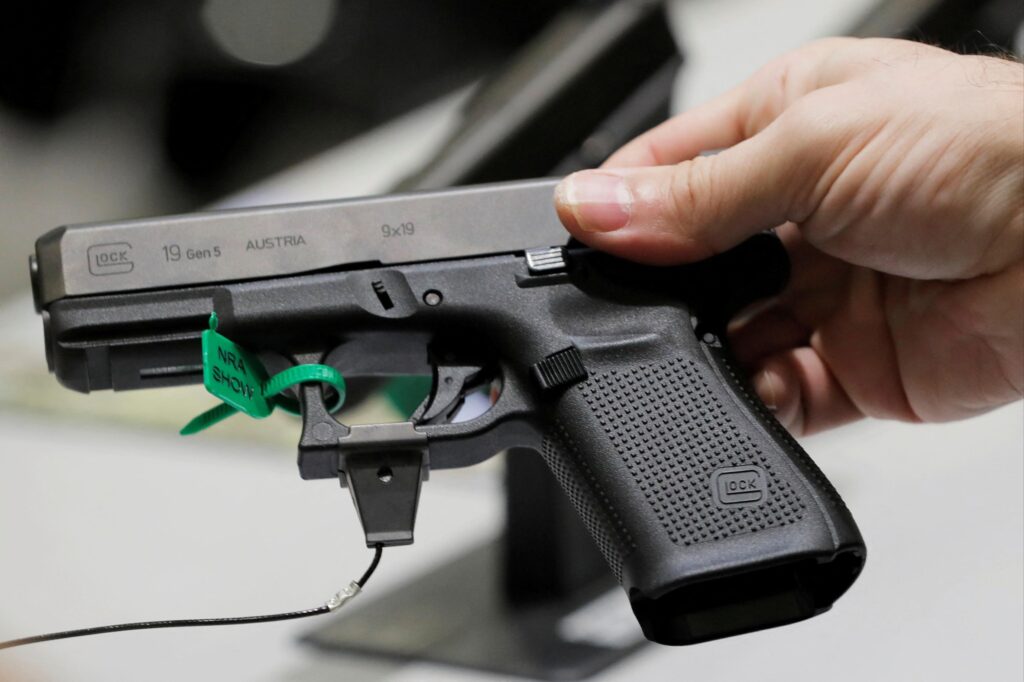
California’s new Glock ban, effective July 1, is less a public-safety measure than a calculated political experiment designed to test how far a single state can push the envelope before the rest of the country follows. By singling out one of the most popular, reliable, and widely owned handguns in America, Sacramento isn’t targeting “assault weapons” or exotic accessories—it’s normalizing the idea that an entire class of common firearms can simply be declared off-limits. That move reframes the national debate: if California can outlaw Glocks without triggering an immediate constitutional reckoning, the precedent invites every blue-state legislature to replicate the tactic with whatever platform is next on the list.
For the 2A community the lesson is immediate and strategic. Litigation will certainly challenge the ban on Second Amendment, equal-protection, and dormant-commerce-clause grounds, but the deeper fight is cultural and electoral. California’s track record shows that once a restriction is normalized inside its borders, activist networks and billionaire-funded groups quickly export the model to other states and to federal agencies. Gun owners who treat this as “just California” risk waking up to find the same language quietly inserted into ATF rulemaking or congressional appropriations riders. The prudent response is coordinated state-level pushback, aggressive public education on Glock’s defensive utility, and relentless documentation of the policy’s predictable failure to reduce crime—because the data, not the rhetoric, will ultimately determine whether this laboratory experiment spreads or collapses.


