

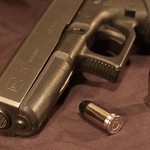
California’s latest bid to outlaw Glock handguns by reclassifying them as “assault weapons” rests on the novel theory that a pistol millions of law-abiding citizens already own is somehow outside the Second Amendment’s protection. The state’s lawyers argue that because Glocks are “easily convertible” to fully automatic fire—an assertion disputed by ATF testing and real-world data—the guns fall into a category of “dangerous and unusual” arms that can be banned outright. That claim collides head-on with the Supreme Court’s Bruen framework, which demands that any modern restriction be justified by a historical tradition of regulation; California offers none, preferring instead to treat the Glock’s polymer frame and striker-fired design as technological loopholes that magically erase constitutional coverage.
For the 2A community the move is less about public safety than about precedent: if a manufacturer’s most popular defensive pistol can be redefined out of existence by bureaucratic sleight-of-hand, then every semiautomatic handgun is one regulation away from the same fate. The litigation now winding through federal court will test whether judges accept the state’s invitation to treat the Second Amendment as a historical curiosity rather than a continuing individual right. Gun owners watching the case understand that the real target is not the Glock logo on the slide but the notion that citizens may keep and bear the arms in common use for lawful purposes—an idea the Supreme Court has already said the Constitution protects.


