

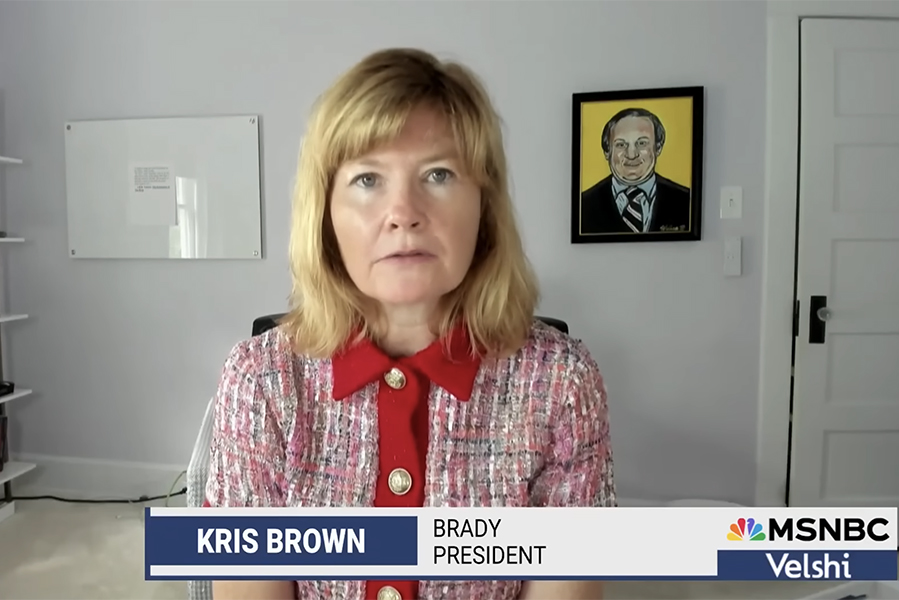
The Brady Campaign’s latest tantrum reveals just how dependent the gun-control movement has become on federal agencies bending the rules to do its dirty work. For years the group leaned on ATF trace data and other government resources to publish hit lists of retailers it labeled “bad actors,” a tactic that blurred the line between public information and government-endorsed harassment. When the current administration declined to keep feeding that machine, Brady cried foul—essentially admitting that its “name-and-shame” campaign was never about neutral transparency but about conscripting federal power to stigmatize lawful businesses. That reaction alone tells the 2A community everything it needs to know about the organization’s real priorities.
The deeper implication is that gun-control groups are discovering the limits of their once-cozy relationship with the administrative state. When agencies refuse to weaponize their data troves for partisan ends, the narrative collapses to its core: an effort to punish compliance with federal law rather than address actual criminal misuse of firearms. Law-abiding FFLs who already operate under one of the strictest regulatory regimes in the country now see confirmation that the goalposts keep moving—not toward public safety, but toward attrition through public relations. For Second Amendment supporters, the episode is a reminder that institutional neutrality is itself a safeguard; every time an agency declines to pick sides, it slows the incremental disarmament strategy that has defined modern gun control.
Looking ahead, the Brady backlash may accelerate a broader reckoning inside the gun-rights movement about data transparency and institutional capture. Pro-2A organizations are already pushing for clearer statutory limits on how trace information can be released and used, precisely to prevent future administrations from reviving the name-and-shame model. If those reforms take hold, the episode will have done more than expose one group’s overreach—it will have narrowed one more avenue through which federal power can be turned against the lawful exercise of a constitutional right.


