

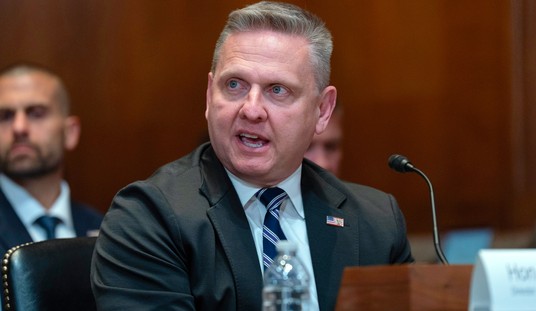
Bloomberg’s gun-control machine is suddenly discovering that the ATF’s new leadership isn’t playing the role of compliant enforcer they expected. Instead of quietly expanding the agency’s reach through novel interpretations of “engaged in the business” or “readily convertible” firearms, the current director appears more interested in tightening internal discipline and reining in the very field offices that once treated every FFL as a presumptive violator. That shift matters because the Bureau’s power has always rested less on statute than on the willingness of its agents to stretch definitions until the regulated public simply gives up. When the top office stops rewarding that creativity, the entire enforcement pyramid wobbles.
For the Second Amendment community the development is both validation and warning. It shows that personnel decisions at the agency level can blunt even well-funded external pressure campaigns, yet it also reminds us how fragile that relief remains; a single election or Senate confirmation can reinstall the old incentives overnight. The real test will be whether the director uses this window to codify clearer, narrower standards—especially around pistol braces, forced-reset triggers, and the treatment of private-party transfers—or simply slows the rate of new rules while the underlying statutory vagueness stays in place. Either outcome still leaves millions of law-abiding owners negotiating a regulatory minefield that was never voted on by Congress.
The larger implication is that Bloomberg’s frustration is less about any single director and more about the recognition that durable policy victories require legislation, not administrative capture. Until the underlying statutes are tightened or repealed, every administration change will continue to swing the ATF like a pendulum, and the only constant will be the compliance costs borne by the gun-owning public.


