

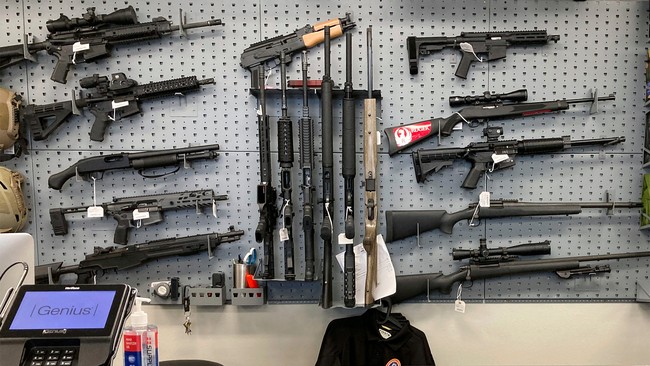
Australia’s latest gun buyback push is being sold as a tidy mop-up of “excess” firearms, but the numbers and the rhetoric tell a different story. The program is framed as a voluntary, one-time cleanup, yet the language of “excess” quietly shifts the goalposts from criminal misuse to simple possession, inviting the same mission creep we’ve seen in other jurisdictions where initial amnesties evolve into registration, then confiscation. For American gun owners watching from afar, the lesson is that any scheme that lets government decide how many guns are “too many” is a direct challenge to the individual-rights reading of the Second Amendment that treats the right to keep and bear arms as belonging to citizens, not to a spreadsheet.
The political timing is equally instructive. With crime data showing that the overwhelming majority of firearm homicides in Australia are already committed with illegally held or smuggled weapons, the new buyback will mostly harvest older sporting arms from aging owners rather than denting the black market. That mismatch between stated purpose and measurable outcome mirrors the pattern in places like New Zealand and Canada, where buybacks and freezes were justified by rare mass shootings but produced negligible effects on day-to-day violent crime. The 2A community should note that Australia’s program is being exported rhetorically to U.S. policy debates; every congressional hearing that cites “Australia’s success” is an attempt to normalize the idea that rights can be balanced against bureaucratic comfort levels.
Ultimately, the episode underscores why American gun culture treats even “voluntary” turn-ins with skepticism. Once the state acquires a list of who once owned what, future legislative majorities inherit an enforcement roadmap. Pro-Second Amendment advocates therefore argue that true public-safety policy focuses on prosecuting violent criminals, securing the border against illegal imports, and hardening soft targets, rather than negotiating with citizens over how many firearms constitute an “excess.”


