

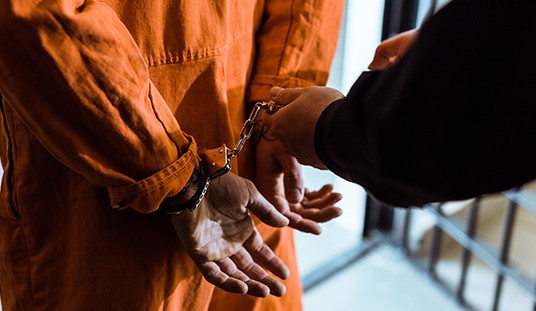
The arrests in Toronto underscore a stark reality: when a foreign consulate becomes the target of gunfire, the conversation inevitably circles back to the tools used and the people wielding them. Canadian authorities have not yet released the make or model of the firearm recovered, but the fact that the incident occurred in a nation with some of the strictest gun laws in the Western world should give pause to anyone who believes that tighter restrictions automatically translate into safer streets. Instead, the episode highlights how determined actors—whether ideologically motivated or criminally inclined—will exploit black-market channels, smuggling routes, or even legally owned firearms diverted through straw purchases. For Second Amendment advocates, the takeaway is familiar: laws that burden the law-abiding do little to disarm those already willing to break them.
Equally telling is the diplomatic ripple effect. A shooting at a U.S. consulate is not merely a local crime story; it is an international incident that tests the resilience of bilateral law-enforcement cooperation. Canadian officials will likely face pressure to tighten import rules or accelerate trace requests through the Bureau of Alcohol, Tobacco, Firearms and Explosives’ eTrace system, while American gun-rights groups will watch closely to ensure that any resulting policy proposals do not become vehicles for further domestic restrictions. The episode also serves as a reminder that consulate security—much like school safety or workplace defense—ultimately rests on layered deterrence: armed protection details, rapid-response training, and, where statutes allow, the presence of lawfully armed citizens or security personnel capable of interrupting an attack before law enforcement arrives.
Finally, the arrests themselves offer a teachable moment about enforcement priorities. If the suspects acquired their firearm through Canada’s already cumbersome licensing regime, the case becomes evidence that regulatory hurdles alone cannot guarantee compliance. If, as is more probable, the gun crossed the border illegally, the incident reinforces the argument that focusing enforcement resources on trafficking networks and prosecuting prohibited persons yields greater returns than enacting new controls on the 120 million-plus legally owned firearms south of the border. In either scenario, the 2A community can point to Toronto as yet another data point: criminals ignore gun laws, diplomats rely on armed security, and ordinary citizens remain safest when their right to keep and bear arms is preserved rather than presumed to be the problem.


