

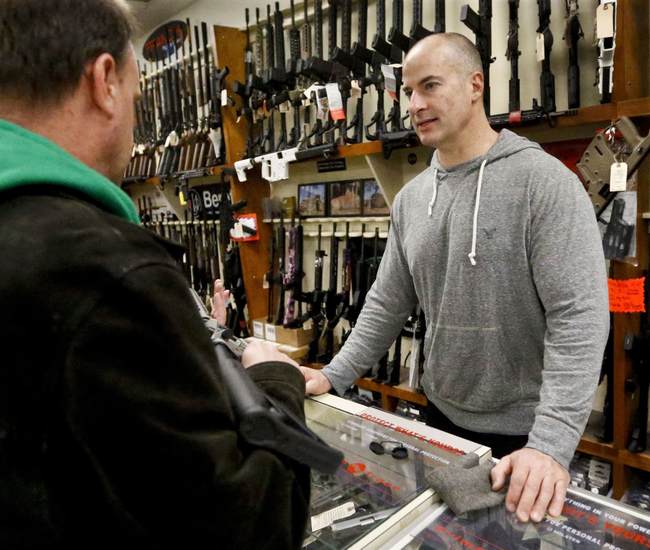
Virginia gun shops are once again stocking AR-15s and 20-round magazines after the state’s Democratic-controlled legislature failed to renew the assault-weapons and magazine restrictions that had been pushed through in prior sessions. The reversal is less a sudden policy epiphany than the predictable result of a razor-thin majority in Richmond and a governor who has signaled he will not sign further gun-control measures. For retailers, the change means they can once again meet customer demand without navigating the patchwork of “feature bans” and capacity limits that had forced many buyers to settle for neutered configurations or drive across state lines.
The practical effect is immediate: law-abiding Virginians regain access to the same defensive and sporting platforms that remain legal in 44 other states, underscoring how fragile state-level restrictions can be when political winds shift. More broadly, the episode illustrates the limits of incremental prohibition; when a popular rifle platform and standard-capacity magazines are targeted, compliance costs rise for dealers and consumers alike, yet the underlying demand does not disappear. The 2A community should read this as both a tactical win and a reminder that rights restored by one legislative session can be threatened by the next, making sustained engagement at the ballot box and in the courts essential.
Longer term, the return of these products to Virginia shelves also sends a market signal to manufacturers and importers that the state remains a viable retail environment, potentially encouraging expanded inventory and competitive pricing. That, in turn, benefits shooters who rely on the AR-15 platform for home defense, competition, and training—uses that courts have repeatedly recognized as falling within the Second Amendment’s core protection. The lesson is straightforward: when politics and policy align with constitutional text and public demand, the result is not chaos but the ordinary exercise of a fundamental right.


