

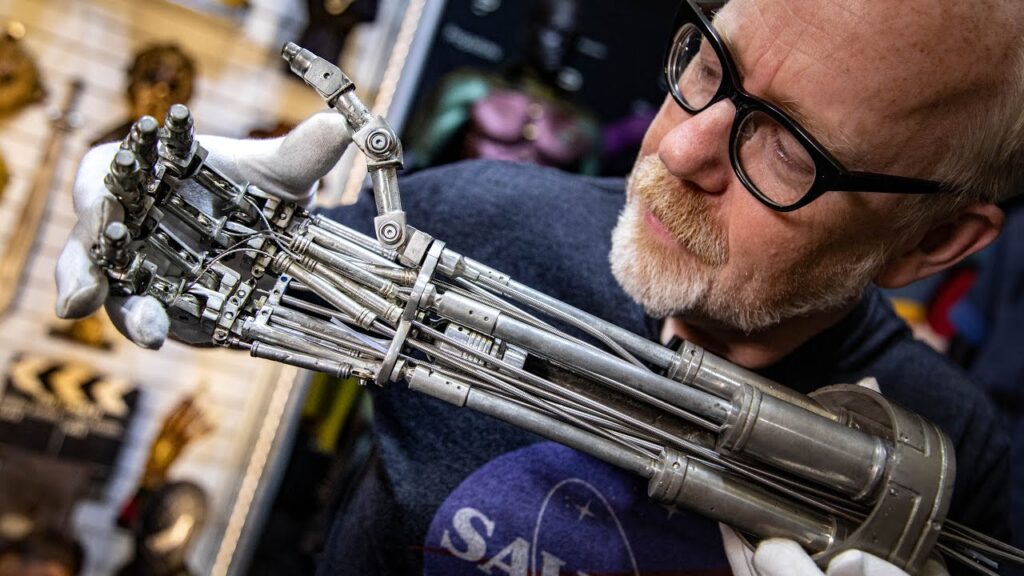
California’s latest attempt to force 3-D printer manufacturers into installing “censorware” that would block files for firearms and their components has managed to unite an unlikely coalition that includes Hollywood’s visual-effects houses, civil-liberties organizations, and the very tech firms that build the printers. The studios fear that any mandated filtering software would inevitably flag legitimate prop-making files—think replica blasters, armor plates, or set hardware—creating production delays and legal exposure for an industry already squeezed by California’s tax and regulatory climate. That shared pain point has turned a niche gun-control measure into a broader fight over who gets to decide what digital designs are “legal” to print.
For the 2A community the episode is a textbook illustration of the Streisand Effect in regulatory clothing: by trying to choke off access at the hardware level, Sacramento risks driving both the technology and the talent out of state. Printer makers have already signaled they will not cripple their machines for a single market, and the studios’ public opposition supplies fresh political cover for legislators who might otherwise have rubber-stamped the bill. The result is a widening Overton window in which even non-gun groups now treat preemptive bans on digital files as unworkable, unconstitutional, and bad for business—an argument that strengthens challenges to similar restrictions in New York, New Jersey, and beyond.
Longer term, the coalition’s emergence underscores that the right to keep and bear arms is increasingly intertwined with the right to tinker, code, and manufacture. When Hollywood prop shops and Silicon Valley engineers find common cause with gun owners against a single statute, the practical effect is to normalize the idea that digital firearms files are simply another form of protected expression and commerce. That normalization, more than any single lawsuit, may prove the most durable check on future “pre-crime” 3-D-printing bans.


