

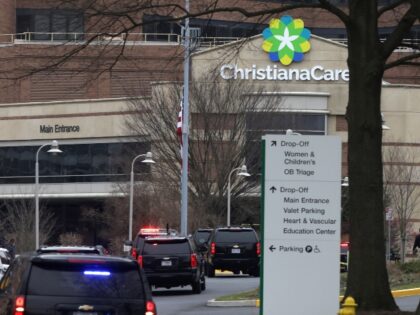
In the wake of Tuesday’s tragic shooting at a Delaware hospital that left one person dead and another injured, authorities moved quickly to arrest a 23-year-old suspect, underscoring how swiftly law enforcement can respond when a violent actor is identified. While the mainstream narrative will likely frame this as yet another reason to tighten restrictions on lawful gun owners, the facts point to a very different takeaway: the perpetrator was already operating outside the law, and the swift arrest suggests existing statutes on prohibited persons and illegal firearm possession were the real enforcement gap, not the absence of new magazine bans or “red flag” expansions. For Second Amendment advocates, this incident is a reminder that criminals ignore gun-free zones and background-check regimes alike, making the defensive value of an armed citizenry—particularly in soft-target environments like hospitals—more relevant than ever.
What stands out beyond the arrest itself is the broader pattern these events reveal about where violence actually concentrates. Hospitals, schools, and other posted “gun-free” locations continue to attract attackers precisely because they advertise their vulnerability; the 23-year-old suspect did not stroll through metal detectors or consult a shall-issue permitting process before acting. This reality fuels growing support within the 2A community for constitutional carry expansions and shall-issue permitting reforms that empower trained citizens rather than relying solely on the delayed arrival of police. Data from states that have removed barriers to lawful carry consistently show no corresponding spike in hospital or workplace shootings, directly contradicting the reflexive “more guns, more crime” claim that will almost certainly surface in coverage of this case.
Ultimately, the Delaware incident reinforces a core pro-2A argument: focusing enforcement resources on actual violent offenders and hardening soft targets through trained, armed personnel yields far better public-safety returns than symbolic restrictions aimed at millions of peaceful gun owners. As details emerge about the suspect’s prior record and how he obtained the firearm, expect renewed calls for prosecuting straw purchasers and felons in possession—measures already on the books but too often under-enforced. The 2A community’s consistent position remains unchanged: rights exercised responsibly by the law-abiding do not create these tragedies; the failure to keep firearms out of the hands of those already prohibited by existing law does.


