

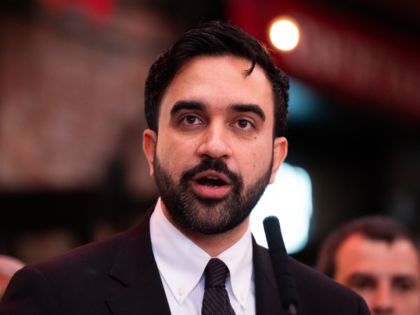
Zohran Mamdani’s sudden pivot from bashing billionaires to quietly courting one of the wealthiest men in finance reveals the same selective outrage that often fuels anti-gun rhetoric. After months of populist broadsides against “the rich,” the New York City mayor now finds himself waiting on a callback from Citadel’s Ken Griffin—the same class of high-net-worth individuals whose capital and political donations have repeatedly helped bankroll pro-Second Amendment litigation and lobbying. The irony is hard to miss: politicians who rail against concentrated wealth rarely acknowledge how that wealth frequently ends up defending the very rights their base wants to curtail.
For the 2A community, the episode underscores a recurring pattern in blue-city politics. When progressive candidates need donor oxygen or favorable media optics, they soften their class-warfare language; yet the underlying policy instincts—wealth taxes, expansive gun-control measures, and regulatory hostility toward lawful firearm ownership—remain intact. Griffin’s own history of supporting candidates and causes that push back against Illinois-style restrictions offers a reminder that individual billionaires can and do tilt the scales in favor of constitutional carry and due-process protections. Mamdani’s awkward outreach suggests he recognizes this leverage even while his coalition continues to treat gun owners as the real “billionaires” of the political moment.
The larger takeaway is that economic populism and gun-control zealotry are often two sides of the same coin: both rely on painting a small group as existential threats to justify expanded government power. When that narrative collides with the practical need for campaign cash or institutional goodwill, the contradictions surface quickly. Second Amendment advocates should watch these reversals closely; they expose how fragile the anti-gun consensus really is once real money and real political survival enter the equation.


