

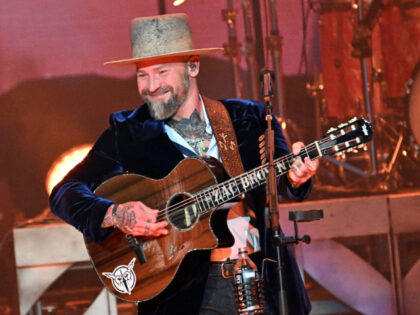
Zac Brown’s refusal to back down over singing the National Anthem at a UFC event on White House grounds is more than a celebrity standoff—it’s a reminder that the Second Amendment isn’t just about hardware; it’s about the cultural space where Americans still feel free to celebrate the country that protects that right. Brown framed the performance as patriotism, not politics, pushing back against the familiar pressure to treat any display of national pride as a partisan statement. In an era when athletes and entertainers are routinely scolded for refusing to genuflect to identity politics, his stance lands like a clean counter-punch: the flag and the anthem belong to the people who built the republic, not to whichever faction currently controls the narrative.
For the 2A community the moment carries extra weight because UFC events have become one of the few remaining mainstream venues where open carry, self-defense culture, and unapologetic Americanism still coexist without apology. Fighters and fans alike routinely reference the constitutional right to keep and bear arms as an extension of the same founding principles Brown is invoking. When a high-profile artist declines to treat the White House lawn as contested territory and simply honors the anthem, it reinforces the idea that constitutional rights are not regional dialects spoken only at gun ranges—they’re the common language of citizens who still believe the document means what it says.
The larger implication is that cultural pushback matters as much as legislative wins. Every time a musician, athlete, or brand refuses to self-censor, it widens the Overton window for the rest of us who carry, train, and teach the next generation that the Bill of Rights is a package deal. Brown’s line—“patriotism, not politics”—isn’t just a soundbite; it’s a tactical reminder that the fight to preserve the Second Amendment will ultimately be won or lost in the arena of public sentiment, not just in courtrooms or congressional committees.


