

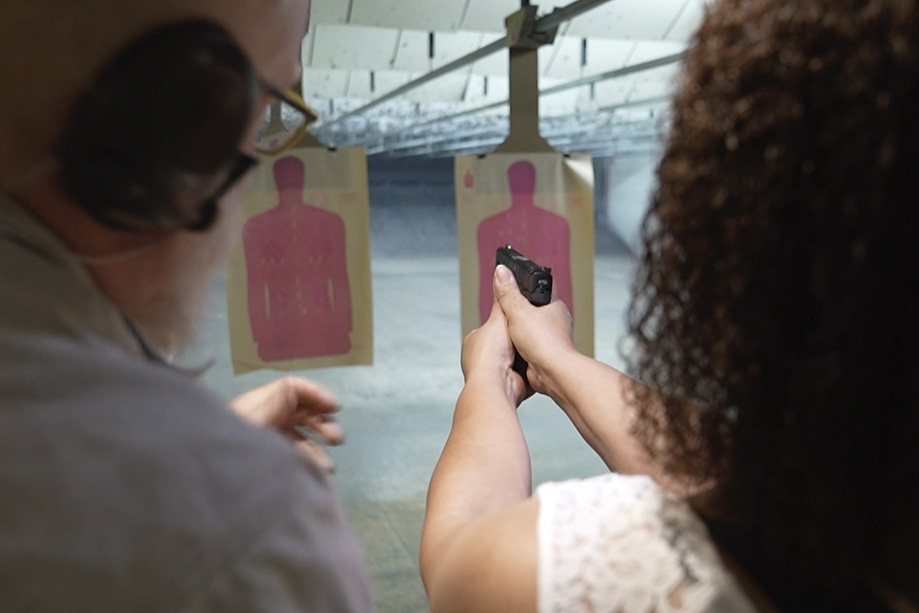
The piece captures something deeper than a simple culture-clash anecdote: it shows how the urban-rural divide isn’t just about geography, but about the lived experience of self-reliance. In the city, the author could outsource her safety to a 911 call and the nearest precinct; in the country, the nearest squad car might be twenty minutes away. That shift forces a mental recalibration—suddenly the Second Amendment isn’t an abstract political talking point, but a practical tool for filling the gap between “help is on the way” and “help is here.” The lingering hoplophobia she describes is the residue of a worldview that treats firearms as symbols of chaos rather than instruments of order, and it illustrates why so many converts to gun ownership cite a specific moment when the abstract became concrete.
For the 2A community, stories like this are quiet but powerful recruiting tools. They demonstrate that support for the right to keep and bear arms isn’t primarily about hobbyists or “gun culture,” but about acknowledging that government protection is a promise with variable delivery times. When city transplants confront that reality, their politics often follow their new circumstances; the piece quietly validates the argument that decentralization of force—putting defensive tools in the hands of law-abiding citizens—is the most scalable form of public safety. The lingering discomfort the author feels is less a rebuttal than an admission that cultural reprogramming takes time, and that the rural advantage isn’t just lower crime statistics, but the normalization of personal responsibility.
The larger implication is that the gun-rights movement wins not by converting ideologues, but by letting circumstances do the persuading. Every new homeowner who discovers the nearest deputy is half an hour away becomes a live demonstration of why the Second Amendment exists. The author’s residual unease is the friction of that transition, and it underscores a strategic truth: the best outreach may simply be helping people move somewhere the nearest help is themselves.


