

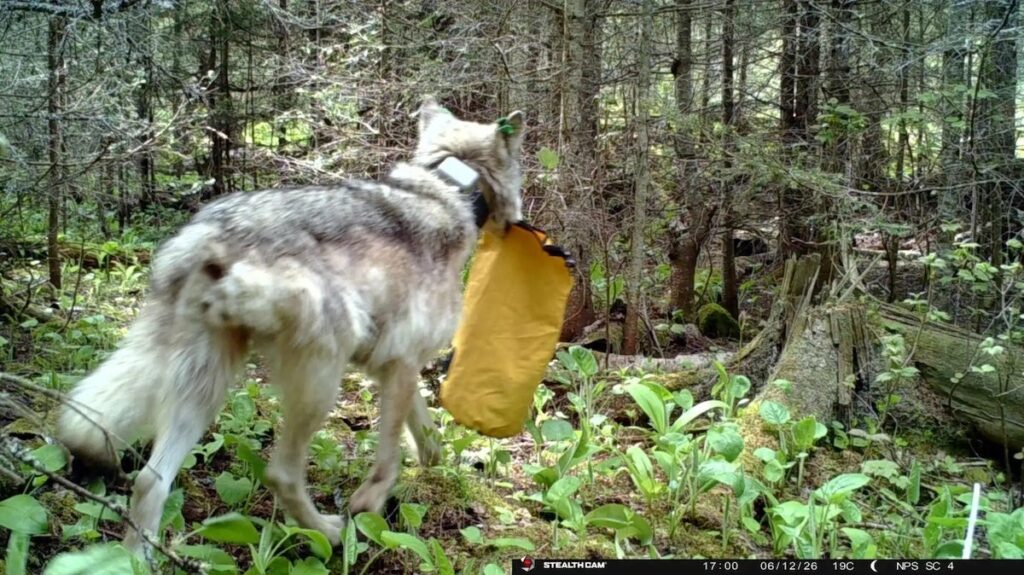
The wolves of Isle Royale have done what no anti-gun lobbyist could ever manage: they’ve turned a national park into a no-camping zone by simply showing up and acting like the apex predators they are. When animals start unzipping tents and dragging off gear, the usual “coexist” talking points evaporate faster than a Michigan mist. The Park Service’s solution—closing two campgrounds—amounts to an admission that the ecosystem’s balance has tipped, and that human visitors are now the ones being managed rather than the wolves. For Second Amendment advocates, the episode is a blunt reminder that nature doesn’t negotiate; it simply enforces the food chain, and the only reliable backstop between a camper and a 100-pound predator is the tool on your hip.
What makes the story especially pointed for pro-2A readers is the quiet hypocrisy it exposes. The same federal agencies that restrict lawful carry in so many parks are now conceding that their “leave-no-trace” paradise has become a proving ground where the rules of tooth and claw still apply. If a camper had drawn a sidearm to deter an inquisitive wolf, the headlines would have screamed about “reckless discharge” rather than “necessary self-defense.” Yet the data from states that allow defensive carry in bear and mountain-lion country show dramatically lower rates of human injury, precisely because armed citizens can enforce a respectful perimeter without waiting for rangers who may be miles away. Isle Royale’s wolf problem is therefore less an ecological mystery than a policy failure: when government prioritizes predator recovery over visitor safety, the predictable result is shuttered trails and empty fire rings.
Longer term, the incident should prompt a broader conversation about wildlife management and the right to effective protection on public land. Wolf populations have rebounded across the Great Lakes states under federal oversight, yet harvest quotas and control measures remain politically radioactive. Meanwhile, law-abiding citizens who want nothing more than a weekend under the stars are told their only option is retreat. The wolves aren’t reading the Federal Register; they’re reading body language and the absence of consequence. Until land managers acknowledge that a legally carried firearm is often the most practical deterrent in remote terrain, more campgrounds will close—not because the animals are winning, but because policy refuses to let people defend themselves on equal terms with the rest of the food chain.


