

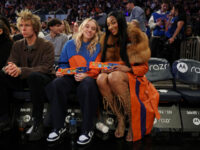
The WNBA’s quick post-and-delete of a clip featuring Angel Reese and Paige Bueckers wasn’t just a social-media hiccup—it was a textbook example of how institutions that claim to celebrate women’s sports still flinch when the spotlight lands on the wrong kind of empowerment. Reese and Bueckers are two of the most marketable faces in the league, yet the league’s own feed treated their appearance like a liability rather than an asset. For Second Amendment advocates, the episode is a reminder that the same cultural gatekeepers who police what female athletes are “allowed” to say about guns are the ones who decide which moments of athletic excellence get amplified and which get memory-holed.
The optics matter. Reese has already drawn fire for openly carrying and training with firearms, while Bueckers has kept her personal views close to the vest; pairing them in a single frame apparently triggered an internal panic button. Instead of leaning into the narrative that strong, capable women can defend themselves and enjoy the shooting sports, the league opted for the safer play of pretending the clip never existed. That reflex reveals a deeper discomfort with any storyline that challenges the assumption that women’s athletics must also mean women’s disarmament.
For the 2A community, the takeaway is straightforward: visibility is a form of self-defense. Every time a prominent female athlete normalizes responsible gun ownership, she undercuts the caricature that firearms are the exclusive province of men in camouflage. The WNBA may have memory-holed one video, but the broader cultural clip is still rolling—and the more women step into that frame with confidence, the harder it becomes for leagues, sponsors, or activists to edit them out.


