

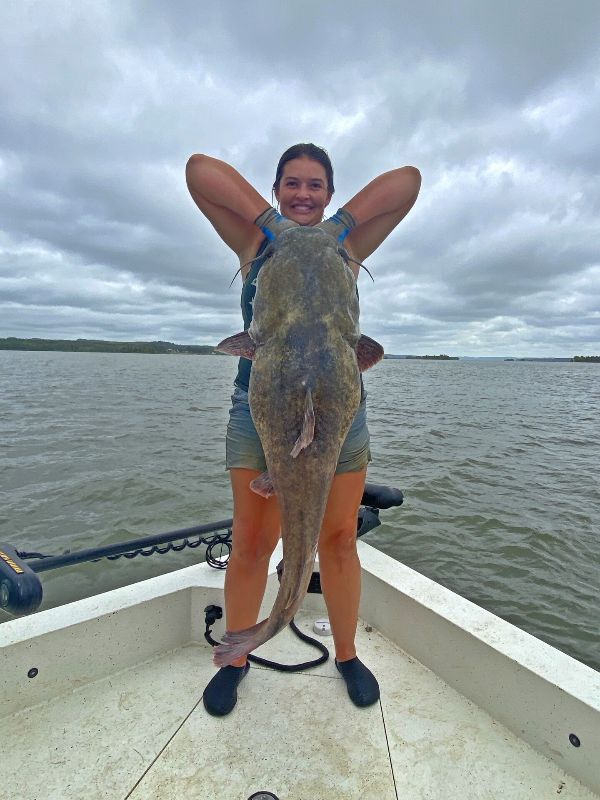
Emily Horst’s 67-pound hand-caught catfish isn’t just a trophy—it’s a vivid reminder that the same hands that can wrestle a monster flathead from an Alabama riverbank are the hands the Second Amendment protects when they pick up a firearm. Noodling demands raw strength, situational awareness, and split-second judgment under water; those are precisely the attributes that make armed citizens effective defenders of themselves and their communities. By celebrating this kind of self-reliant outdoor skill, the Alabama Black Belt Adventures Association is quietly reinforcing the cultural soil in which constitutional carry and hunting rights grow.
The contest’s online-vote format also highlights how grassroots enthusiasm can outshine institutional gatekeepers—an echo of how pro-2A voices have used social media and citizen journalism to bypass legacy media filters. When thousands of anglers clicked for Horst’s photo, they weren’t just picking a winner; they were signaling that traditional, hands-on methods of harvesting protein still resonate in an era of ever-tightening regulations on both fishing and firearms. That resonance matters: states that nurture such traditions tend to maintain stronger protections for the right to keep and bear arms, because the electorate still values individual competence over bureaucratic oversight.
For the 2A community, the takeaway is straightforward—every time a story like this circulates, it quietly normalizes the idea that capable, armed Americans are also the ones most comfortable providing for their families without asking permission. Whether the tool is a .45 or a pair of calloused hands, the principle remains the same: liberty thrives when citizens stay skilled, self-sufficient, and unapologetically proud of both.


