

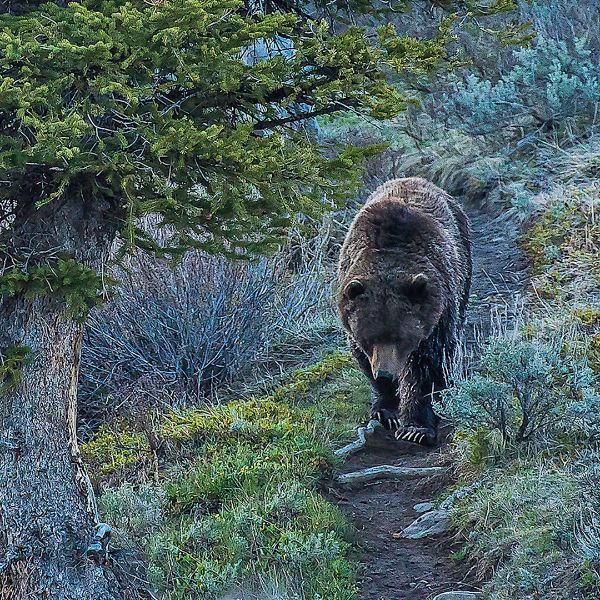
The Wild Sheep Foundation’s endorsement of the new U.S. Fish and Wildlife Service draft rule is more than a wildlife-management footnote; it is a quiet but unmistakable victory for the principle that states and tribes—not distant federal desks—should hold the reins when species recover. By acknowledging that grizzlies in the Greater Yellowstone Ecosystem have climbed from roughly 136 animals in 1975 to well over a thousand today, the Service is finally admitting what hunters and local biologists have documented for years: recovery goals have been met and exceeded. That admission opens the door to science-based, state-led management tools—delisting, regulated harvest, and conflict-reduction programs—that have proven effective with elk, deer, and even wolves once federal oversight loosened. For the 2A community, the parallel is obvious: just as an armed citizenry deters crime more efficiently than a distant bureaucracy, locally accountable wildlife agencies deter poaching and property damage more efficiently than Endangered Species Act litigation.
Equally important is the precedent this rule sets for other recovered species. If grizzlies can be returned to state jurisdiction after decades of federal protection, the same logic applies to gray wolves, wolverines, and any future candidate whose numbers rebound. That matters to gun owners because hunting license revenue and excise taxes on firearms and ammunition remain the primary funding source for state wildlife agencies; every animal kept under perpetual federal listing is one less opportunity for sustainable harvest programs that keep those agencies solvent. The Wild Sheep Foundation’s support signals that conservation groups focused on wild sheep and other big game understand this funding loop and are willing to defend it against the usual litigation reflex from national environmental groups.
The larger implication is cultural as well as legal. When states regain authority, they tend to restore hunting as a management tool rather than relying solely on costly, non-lethal deterrents that often fail. That restores the public’s direct connection to wildlife—through tags, seasons, and the ethical harvest that has funded conservation for a century—while simultaneously reducing the political incentive to treat every large carnivore as a perpetual ward of the federal government. In short, the draft rule is another brick in the wall separating recovered wildlife from endless federal control, and the 2A community should recognize it as such.


