

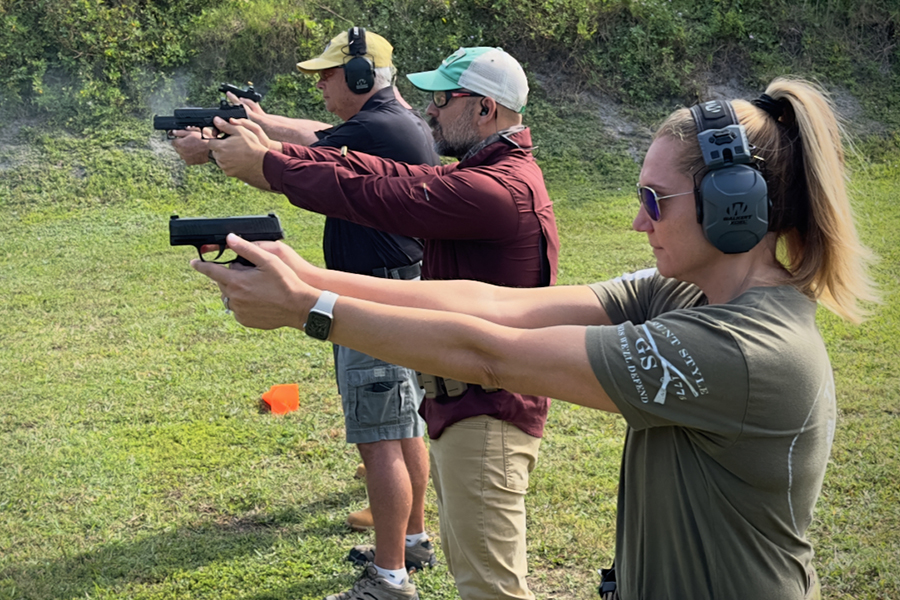
The notion that most firearms training classes are “mostly useless” isn’t a swipe at instructors so much as a blunt diagnosis of how the concealed-carry boom outran the quality-control mechanisms that once kept the industry honest. When states rushed shall-issue permitting in the 1990s and 2000s, demand exploded for eight-hour “qualifying” courses that satisfied statutory checkboxes but rarely simulated the adrenalized, low-light, one-handed decisions citizens actually face. Kevin Creighton’s observation that only one in three students retain the material is less an indictment of shooters than of curricula built around rote range commands instead of scenario-driven stress inoculation; the students who do retain it are usually the ones who return for force-on-force or medical-integration modules the state never required.
That gap matters because the 2A community’s legal and cultural legitimacy now hinges less on the right to bear arms than on the demonstrated ability to bear them responsibly under stress. When the first—and sometimes only—formal instruction a permit holder receives is a canned qualification shoot, the broader public narrative writes itself: “gun owners don’t train.” Proactive carriers who treat that initial class as a starting line rather than a finish line are quietly shifting the Overton window; every documented case of a legally armed citizen using force with measured judgment undercuts the “Wild West” trope more effectively than another op-ed. The uncomfortable corollary is that the industry’s growth has outpaced its own quality filters, so the onus falls on carriers themselves to seek the harder, costlier training that actually moves the needle on survival odds and public perception alike.


