

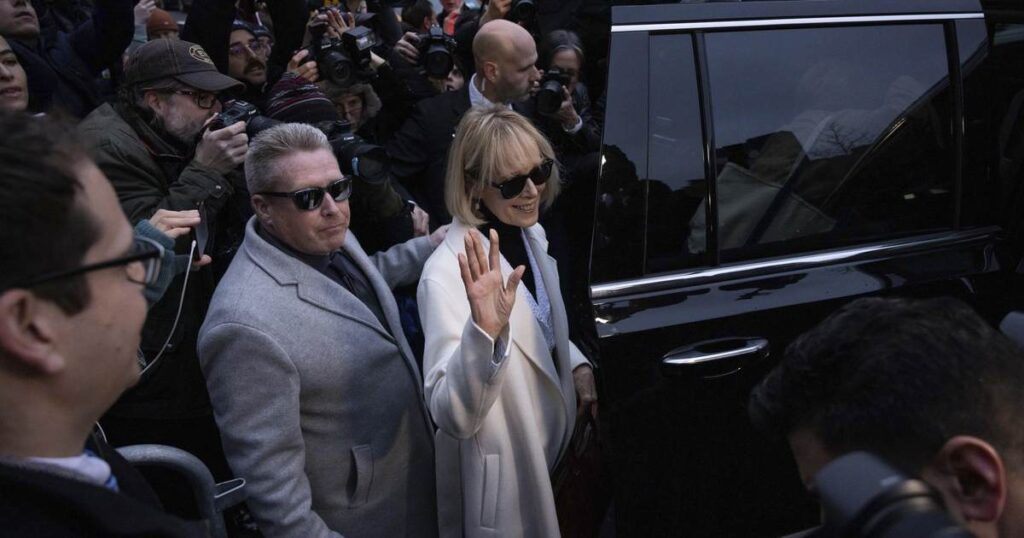
The Justice Department’s decision to probe E. Jean Carroll for possible perjury is more than a legal footnote—it’s a reminder that weaponized civil litigation can boomerang when the facts refuse to stay buried. Carroll’s 2023 verdict rested on a decades-old allegation that lacked contemporaneous evidence, relied on a “he said/she said” narrative, and was turbo-charged by procedural rulings that kept exculpatory material from the jury. Now that investigators are circling the sworn statements themselves, the case illustrates how easily high-profile accusations can be laundered into precedent that later chills protected speech and self-defense rights.
For the 2A community the stakes are immediate: every time a civil judgment is built on questionable testimony, it feeds the same lawfare machinery already aimed at gun owners, FFLs, and industry groups through novel public-nuisance suits and insurance cancellations. If Carroll’s claims unravel under federal scrutiny, it undercuts the narrative that any accusation—no matter how thin—deserves automatic deference and cash damages. That precedent matters when activists try to bankrupt firearm manufacturers or strip carry rights via reputational warfare rather than legislation. In short, sunlight on Carroll’s testimony isn’t just about one plaintiff; it’s a stress test for whether truth still serves as the ultimate check on both political vendettas and the slow-motion disarmament campaign.


