

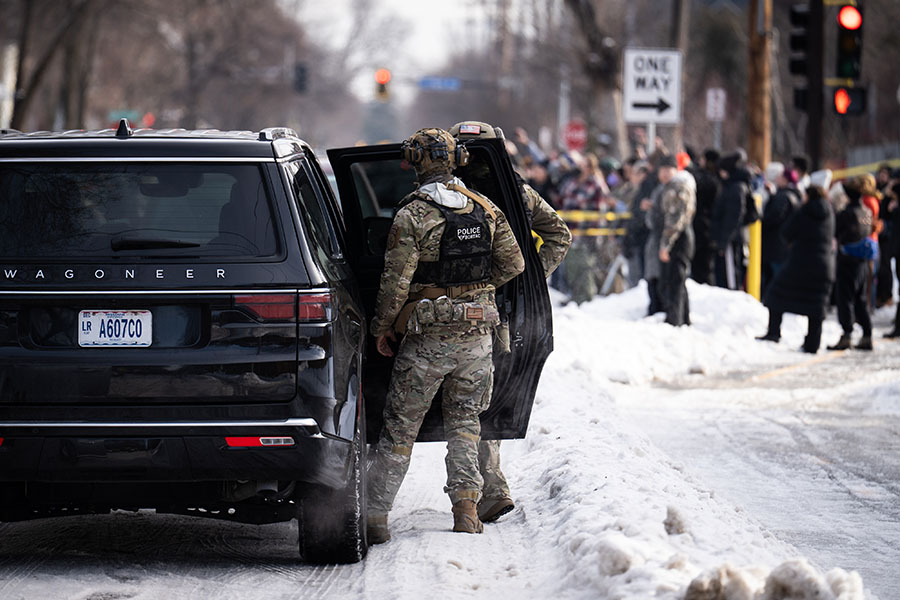
Body cameras were sold to the public as a tool to expose police misconduct, yet the data has repeatedly shown the opposite: footage more often vindicates officers by capturing the full context of split-second decisions that activists and media routinely distort. ICE agents operate under the same legal framework and face the same risks of ambush, false accusations, and politically motivated lawsuits, yet they remain largely unequipped with the very technology that has proven to protect good cops from bad-faith narratives. This gap is not an oversight; it reflects a deliberate political choice to keep federal immigration enforcement in a gray zone where selective outrage can flourish without the inconvenient clarity of video evidence.
For the 2A community the lesson is straightforward: transparency tools that were weaponized against local law enforcement are now being withheld from federal agents precisely because they would undermine the narrative that enforcement itself is illegitimate. When body-cam footage consistently shows compliance with use-of-force standards, it undercuts the push to defund, disarm, or delegitimize those who carry out lawful orders. The same activists who once demanded cameras now prefer agents operate without them, because the record tends to support the officer rather than the narrative. That reversal reveals the real priority was never accountability; it was leverage.
The practical implication is that Second Amendment supporters should treat body cameras as a defensive technology rather than a concession. Footage that protects ICE agents today can protect armed citizens tomorrow when the same legal standards and political pressures are applied to lawful self-defense cases. Demanding consistent use of recording devices across all levels of enforcement removes the selective blindness that allows rights to be eroded through anecdote instead of evidence.


