

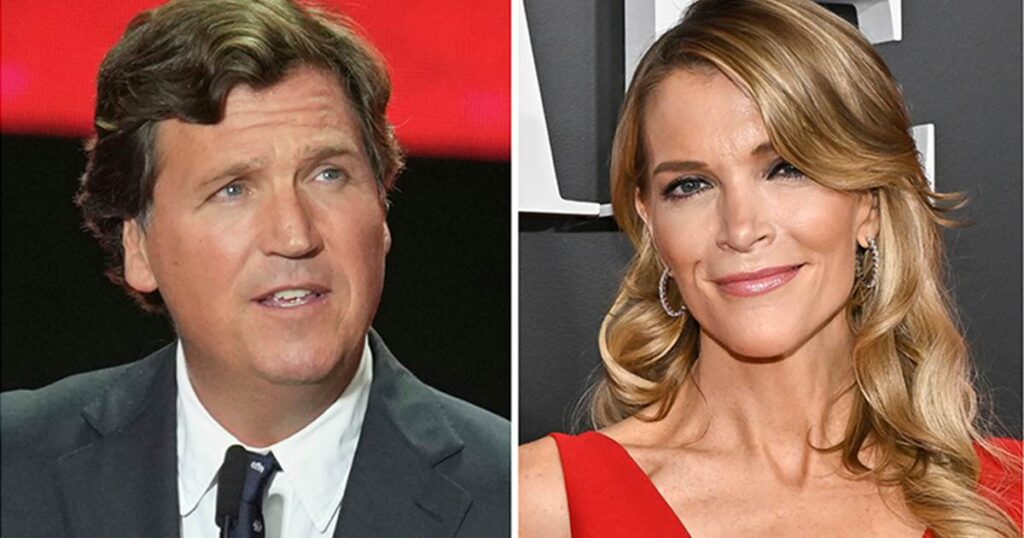
In an era where digital megaphones can make a single voice sound like a movement, the gap between perceived reach and actual grassroots power has never been wider. Tucker Carlson’s recent appearances—whether on his own platform or borrowed stages—often generate wall-to-wall coverage and fervent online engagement, yet the physical crowds that greet him frequently number in the low hundreds rather than the thousands his rhetoric might suggest. This disconnect isn’t merely a media curiosity; it reveals how algorithmic amplification rewards volume over verifiable mobilization, leaving many conservative influencers with impressive follower counts but thin real-world footprints when it comes to turning sentiment into sustained action.
For the 2A community, the lesson is especially pointed. Gun-rights victories have historically been won not by viral clips alone but by disciplined, boots-on-the-ground organizing—statehouse testimony, precinct-level turnout, and persistent pressure on legislators who actually count votes. When prominent voices overestimate their influence, they risk fostering a false sense of security: members may feel the battle is being fought simply by retweeting or watching the next episode, while registration deadlines slip, local races go uncontested, and incremental restrictions quietly advance. The microphone’s size can mask the fact that true political capital still accrues to those who show up, donate, and recruit in person.
The implication is clear: 2A advocates should treat high-profile commentary as a useful spotlight rather than a substitute for local infrastructure. Leverage the attention these voices generate to drive measurable participation—canvassing, training new activists, and building donor networks that survive any single personality’s rise or fall. In short, measure success not by decibels but by the number of new members at the next range day or the margin by which a pro-carry bill passes; those are the metrics that actually keep the right to keep and bear arms intact.


