

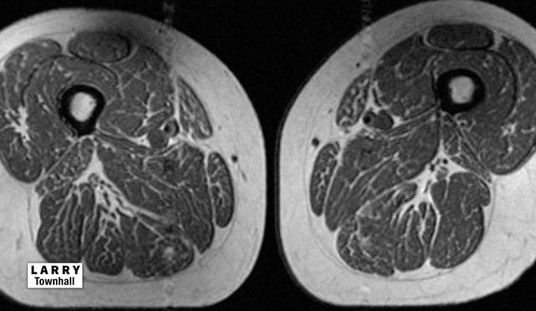
The MRI image of that woman’s thigh looking like a marbled ribeye isn’t just a shocking visual—it’s a warning shot across the bow of every American who still believes they can out-train a terrible diet. When 87 percent of calories come from ultra-processed junk, the body doesn’t simply store fat under the skin; it infiltrates the very fibers that generate power, speed, and recoil control. For the 2A community that prizes split-second decisions and steady hands, intramuscular fat is more than a metabolic footnote; it’s a direct threat to the neuromuscular precision required to run a defensive carbine or maintain a clean sight picture under stress. RFK Jr.’s blunt math—forty cents of every taxpayer dollar spent treating diet-driven illness—translates into real-world readiness gaps: slower reaction times, earlier fatigue on the range, and higher long-term medical costs that could have been avoided with nothing more exotic than real food.
The same processed-food pipeline that’s softening muscle tissue is also softening the cultural backbone that once treated self-reliance as non-negotiable. When government-subsidized sugar, seed oils, and chemical flavor packs crowd out nutrient-dense proteins and fermented vegetables, the result isn’t just bigger waistlines; it’s a population less capable of defending the very liberties that allow us to keep and bear arms in the first place. Kimchi One’s fermented punch of probiotics, fiber, and organic acids offers a practical countermeasure—restoring gut integrity so the body can actually use the protein and micronutrients shooters need to rebuild lean tissue. In an era when every extra pound of hidden fat inside the muscle is another fraction of a second lost between threat recognition and trigger press, choosing real food stops being a wellness trend and becomes quiet, daily range prep.


