

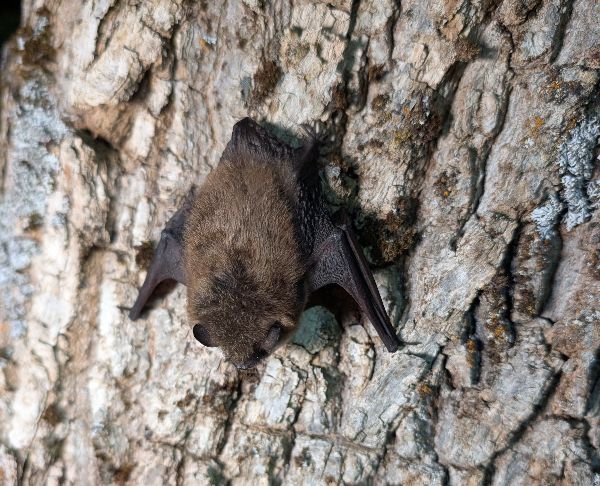
Bats in Utah might seem like an odd topic for the firearms community, but the underlying principle is the same one that drives every Second Amendment debate: when government agencies treat wildlife as “protected” rather than a resource to be managed, ordinary citizens lose practical tools for protecting property and health. Utah’s 18 species are described as almost exclusively insectivorous, yet the state’s own guidance funnels homeowners toward permitted “nuisance control companies” during maternity season and discourages DIY exclusion once pups are present. That creates a narrow window—fall sealing after the young have flown—during which a property owner must either pay a contractor or risk bats returning next spring. The same regulatory mindset that limits non-lethal bat removal also underpins restrictions on magazine capacity, suppressor ownership, and the right to carry for personal defense; both rest on the assumption that the state, not the individual, is best positioned to decide when and how a threat should be handled.
The practical takeaway for gun owners is straightforward: the skills and mindset that make someone a responsible armed citizen—understanding biology, timing, and legal boundaries—translate directly to managing wildlife conflicts without violating the law. Cooling an attic reduces roost appeal the same way proper storage and training reduce negligent-discharge risk; sealing entry points in the off-season mirrors the discipline of maintaining a clean, organized safe. When those low-cost, proactive steps are ignored or made artificially difficult, the result is predictable: higher long-term costs and greater dependence on licensed professionals who operate under the same regulatory umbrella that limits other forms of self-reliance. In short, the bat story is a microcosm of the larger cultural argument over whether citizens are competent stewards of their own environments or perpetual clients of the administrative state.


