

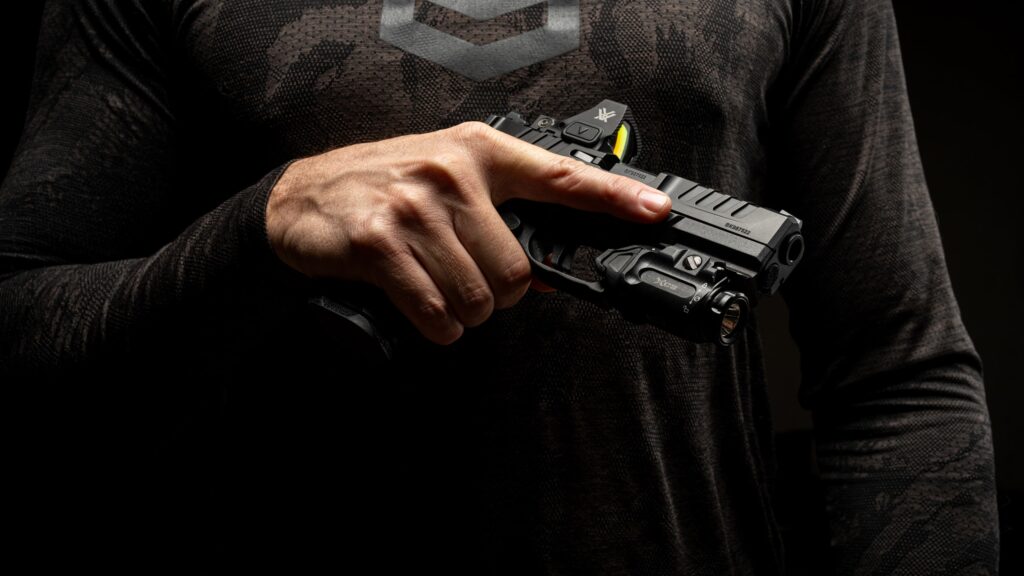
Red dot sights have become the default upgrade for many defensive pistols and rifles, yet the article’s core reminder is that no optic erases the fundamentals of marksmanship, decision-making, or legal accountability. A crisp dot can shrink groups on a square range and speed target acquisition under ideal lighting, but it cannot compensate for poor draw mechanics, tunnel vision, or the split-second judgment required when an armed citizen must decide whether deadly force is justified. In other words, the sight is a tool that magnifies existing skill; it does not create skill where none exists, and the 2A community would do well to treat optics as force multipliers rather than magic talismans that somehow lower the bar for responsible carry.
That distinction matters because the same technological optimism that fuels red-dot adoption also fuels the broader debate over “shall-issue” permitting and training mandates. If a shooter believes the dot will “fix” sloppy presentation or compensate for infrequent practice, the result is an armed citizen who is faster on paper but slower to recognize when retreat or de-escalation is the smarter play. Conversely, when the optic is paired with disciplined dry-fire, scenario-based drills, and a clear understanding of use-of-force law, the combination genuinely enhances both speed and precision—precisely the outcome the Second Amendment envisions when it protects an individual right to keep and bear arms for self-defense. The article’s caution, then, is less about optics themselves and more about the mindset that any single piece of gear can substitute for ongoing education and ethical readiness.


