

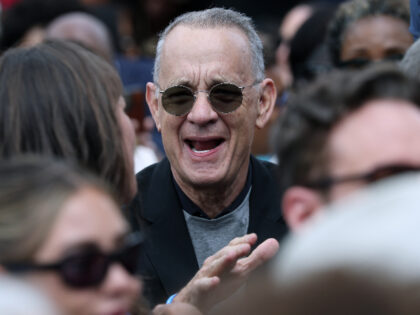
Tom Hanks’ on-camera jab at MSNBC’s anemic ratings lands like a perfectly timed punchline, but it also underscores a deeper cultural shift: legacy media’s once-unquestioned authority is cracking under the weight of its own echo chamber. When a Hollywood icon can casually highlight the network’s microscopic viewership to one of its own reporters, it signals that even the entertainment elite sense the audience has migrated elsewhere—toward platforms that don’t filter every story through a single, coastal lens. For Second Amendment supporters, this moment is a reminder that the old gatekeepers who once framed gun owners as fringe extremists are losing their megaphone; the public is increasingly exposed to primary sources, raw footage, and independent voices that refuse to treat the right to keep and bear arms as a punchline.
That erosion of narrative control carries direct implications for 2A advocacy. As cable news hemorrhages trust and eyeballs, the stories that once dominated the nightly cycle—isolated incidents spun into sweeping indictments of lawful gun owners—are easier to fact-check in real time on social media and alternative outlets. Hanks’ quip didn’t just bruise MSNBC’s ego; it spotlighted how disconnected these outlets have become from the millions of Americans who train, compete, and carry responsibly. When fewer people absorb the legacy spin, the policy debates around magazine bans, red-flag laws, and permitless carry start from a more honest baseline rather than from a presumption of collective guilt.
The takeaway for the firearms community is strategic: keep feeding the alternative ecosystem with data, training footage, and personal testimony. Every time a cultural figure like Hanks punctures the old media’s self-importance, it widens the lane for honest discussion about constitutional rights. The audience isn’t just smaller—it’s listening somewhere else, and that somewhere else is increasingly pro-2A.


