

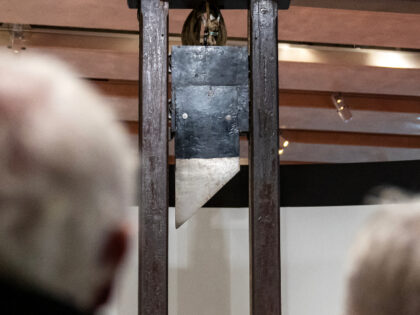
When a handful of activists rolled a guillotine into an Oregon city-council chamber, the optics were unmistakable: a literal threat of decapitation aimed at anyone who dared support a data-center project. The company reps didn’t wait around to debate kilowatt loads or tax revenue; they walked out. For Second Amendment advocates, the scene is a textbook example of how “mostly peaceful” protest culture has normalized intimidation as a substitute for argument. The message is clear—if you can’t outvote the project, you can terrify the people who build it.
That same impulse explains why the right to keep and bear arms remains the ultimate backstop against mob veto. A guillotine on public property isn’t protected speech; it’s a warning that dissenters may be treated as enemies of the people. Law-abiding citizens who carry legally are the quiet counterweight: they don’t need to brandish blades to be heard, because the law already recognizes their right to self-defense. When institutions treat symbolic violence as quaint street theater, the individual right to arms becomes the only reliable check on escalating aggression.
The deeper implication is economic as well as civic. Data centers represent high-skill jobs and long-term tax bases—precisely the kind of development rural counties court to keep younger residents from leaving. If a prop guillotine can scare capital away, communities that prize safety and due process will become even more attractive to industry. In that sense, shall-issue carry laws and strong property-rights statutes aren’t just constitutional niceties; they’re competitive advantages in the contest for investment.


