

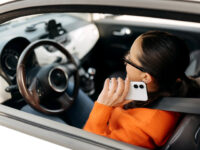
In a twist that feels ripped straight from a late-night comedy sketch, Florida authorities have charged a one-handed woman with the grave offense of holding a cellphone while driving—despite the obvious logistical reality that she literally has only one hand available for any task behind the wheel. The footage, which quickly went viral, shows officers confronting the driver as if her impairment were an afterthought rather than the central fact of the case. What should have been a moment to discuss reasonable accommodations or even the absurdity of blanket distracted-driving statutes instead became another example of enforcement theater that ignores individual circumstances in favor of easy citations.
For the 2A community, this episode is a microcosm of a larger pattern: when government writes one-size-fits-all rules and then applies them without nuance, law-abiding citizens—especially those already navigating physical challenges—bear the brunt. Just as shall-issue permitting and constitutional carry were responses to officials who once claimed “may-issue” discretion would be exercised fairly, stories like this underscore why reflexive prohibitions on everyday carry or vehicle-based self-defense tools deserve the same skepticism. A driver who keeps a lawfully possessed firearm accessible for protection shouldn’t face the same bureaucratic indifference that turns a necessary hand into a citation magnet.
Ultimately, the case is less about public safety than about the reflexive expansion of regulatory power into every facet of life, including how disabled citizens manage basic mobility. The 2A community has long argued that rights are not contingent on bureaucratic comfort; neither should the ability to steer, signal, or defend oneself be held hostage to rules that refuse to acknowledge human variation. If officials can criminalize a one-handed driver for the “crime” of using her only hand, they can justify almost any restriction on the tools law-abiding people rely on to remain safe and independent.


