

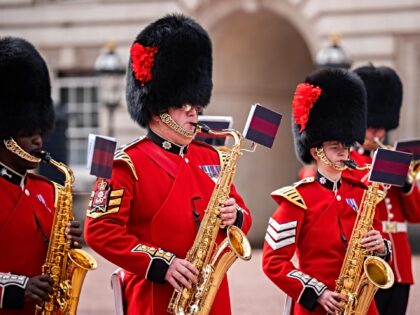
Dolly Parton’s passing has already become one of those rare cultural moments that transcends politics, yet the British royal family’s decision to honor her at Buckingham Palace carries an under-the-radar resonance for American gun owners. Parton never made a habit of brandishing firearms on stage, but her catalog is peppered with references to rural self-reliance—shotguns leaned by the back door, grandfathers teaching granddaughters to shoot, and the implicit message that a woman alone on a Tennessee ridge knows how to protect her own. When King Charles and Queen Camilla chose to salute her legacy, they were, in effect, nodding to an archetype that Second Amendment advocates have long celebrated: the independent, armed citizen whose music and mythos reinforce the idea that personal security begins at home rather than with distant bureaucracies.
That symbolism matters now more than ever. As the U.K. continues to tighten already draconian firearms laws—most recently floating new restrictions on .50-caliber rifles and air rifles—Parton’s distinctly American narrative of autonomy stands in quiet contrast. Her songs didn’t preach, but they normalized the notion that a working-class woman could be both nurturing and formidable, a message that resonates with the growing number of female gun owners stateside. The royal tribute, therefore, inadvertently spotlights a cultural export the British establishment has spent decades trying to suppress: the idea that ordinary citizens, not just monarchs or ministers, have both the right and the competence to keep and bear arms.
For the 2A community, the moment is less about mourning a celebrity and more about recognizing how cultural icons quietly reinforce constitutional principles. Parton’s music helped mainstream the archetype of the armed Appalachian individualist at precisely the time when progressive voices on both sides of the Atlantic were pushing “may-issue” mentalities and “common-sense” restrictions. By elevating her at Buckingham Palace, the Crown may have thought it was simply honoring a beloved entertainer; instead, it spotlighted a worldview in which the people—rather than the palace—remain the ultimate guarantors of their own safety.


