

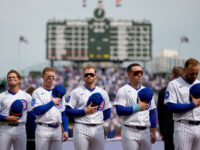
In a clip that’s already racking up millions of views, a gray-haired Cubs fan delivers a swift backhand to a younger spectator who stayed seated during the National Anthem at Wrigley Field. The moment isn’t just another viral scuffle; it’s a snapshot of how quickly cultural flashpoints can escalate when people feel their shared symbols are under attack. The older man’s reaction—part instinct, part frustration—reveals a generational divide where standing for the flag still carries the weight of lived experience, while younger fans increasingly treat the gesture as optional or even performative. For the 2A community, the footage is a reminder that the same impulses driving debates over kneeling also fuel arguments over the right to keep and bear arms: both hinge on whether citizens view the Constitution’s protections as timeless obligations or negotiable preferences.
The incident also underscores a deeper tension between public order and individual liberty that gun owners know all too well. When the older fan took matters into his own hands, he bypassed security, stadium policy, and the young man’s own right to peaceful (if unpopular) expression—mirroring how some anti-gun voices argue that “common-sense” restrictions are needed because people can’t be trusted to self-regulate. Yet the swift backlash against the slap shows the public still recoils when private citizens enforce norms through force, a reaction that should give pause to anyone tempted to outsource self-defense to the state. In an era where the same institutions that once protected free speech now police it through social pressure or legislation, the 2A serves as the ultimate backstop: an individual’s ability to safeguard life, liberty, and the very symbols worth defending without waiting for permission or majority approval.
Ultimately, the Cubs clip is less about etiquette at a ballgame and more about the fraying social contract that makes constitutional rights feel increasingly conditional. As cultural enforcement migrates from community norms to corporate speech codes and government mandates, armed citizens become the last line ensuring those rights aren’t merely privileges granted by whoever holds cultural power today. The older fan’s slap may have been crude, but it crystallizes why millions refuse to relinquish the tools that let them protect both the flag and the freedoms it represents—because when symbols and principles are under assault, waiting for someone else to stand up is no longer an option.


