

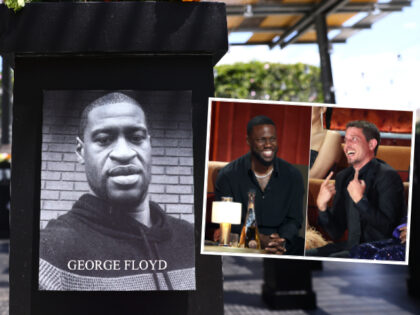
Kevin Hart’s decision to stand by Tony Hinchcliffe after the Netflix roast controversy isn’t just about comedy solidarity—it’s a timely reminder that free expression still has defenders in an era when one misstep can trigger corporate cancellation. Hinchcliffe’s George Floyd line was crude, but Hart’s refusal to throw his friend under the bus underscores a broader principle: if society can’t tolerate edgy jokes about a polarizing figure, it won’t be long before the same intolerance creeps toward protected speech on every other topic—including the right to keep and bear arms. The 2A community has watched this pattern play out for years; comedians, podcasters, and even average citizens who defend the Second Amendment online routinely face de-platforming, advertiser boycotts, and HR inquisitions for daring to challenge the narrative.
What makes Hart’s stance noteworthy is that he’s not a traditional gun-culture voice, yet his pushback against the outrage mob mirrors the same arguments pro-2A advocates have been making since the 1990s: context matters, intent matters, and the alternative to open discourse is a sanitized monoculture where only approved opinions survive. When a roast—literally an event built on roasting—becomes national news because one joke crossed an invisible line, it signals how fragile the Overton window has become. That same fragility shows up every time a law-abiding gun owner is portrayed as a threat for simply posting range footage or defending constitutional carry; the mechanism of suppression is identical, only the target changes.
For Second Amendment supporters, the takeaway is strategic as well as philosophical. Alliances don’t have to be ideological soulmates; they can be tactical partnerships with anyone willing to say the mob doesn’t get the final word. Hart’s public defense keeps a small crack in the door of acceptable speech, and every crack matters when the long-term goal is preventing the same cultural pressure from being applied to firearm ownership, training, or advocacy. In a landscape where legacy media and tech platforms still treat gun rights as radioactive, unexpected voices refusing to self-censor are worth noting—and worth amplifying when the next controversy inevitably arrives.


