

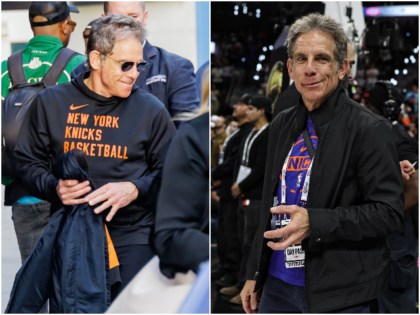
Ben Stiller’s brisk stride past a man sleeping on the sidewalk outside Madison Square Garden wasn’t just another celebrity gaffe; it was a master class in the gap between performative compassion and real-world accountability. For years the actor has used his platform to scold New Yorkers—and by extension, anyone who values personal responsibility—about “systemic” failures on homelessness, yet the footage shows him treating the very person he claims to champion as invisible furniture on his way to courtside seats. The disconnect isn’t merely hypocritical; it underscores a deeper pattern in which coastal elites outsource moral authority to government programs while insulating themselves from the daily consequences of those policies.
That insulation matters to the 2A community because the same mindset that treats homelessness as someone else’s problem also treats armed self-defense as someone else’s responsibility. When cities like New York criminalize lawful carry, restrict magazine capacity, and rely on slow-to-respond police, the people left most exposed are the ones sleeping on grates—not the ones whisked into private cars after a Knicks game. Stiller’s virtue theater collapses the moment the cameras aren’t rolling, revealing that elite calls for “common-sense” restrictions on firearms are really about preserving their own security bubble while the rest of us navigate the disorder their preferred policies create.
The takeaway isn’t that celebrities shouldn’t have opinions; it’s that their selective outrage should be measured against observable results rather than press releases. When the same voices that decry an armed citizenry also ignore the visible breakdown of public order, gun owners have every reason to treat those lectures as empty calories. Real compassion, like real security, begins with acknowledging that individuals—not distant bureaucracies—are ultimately responsible for both their own safety and the streets they walk.


