

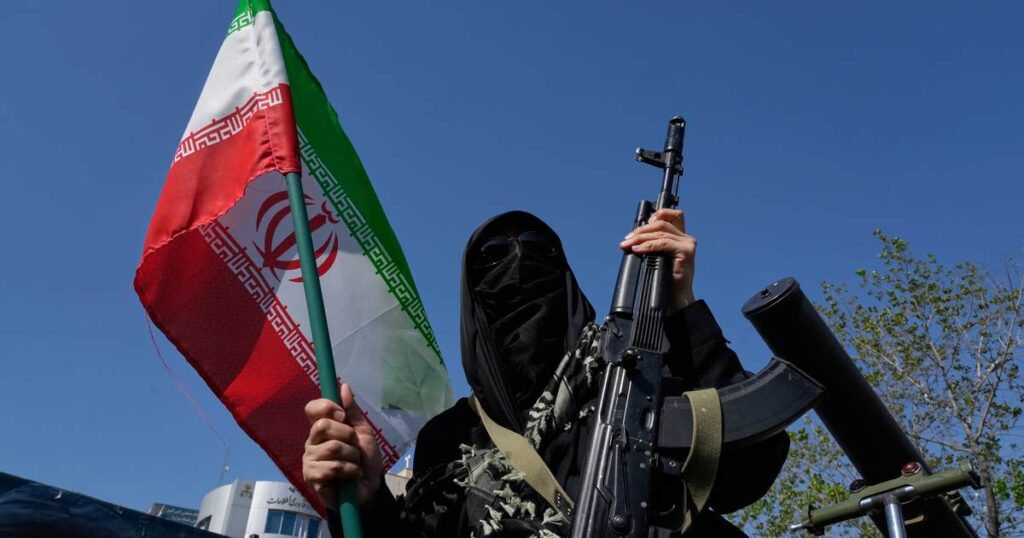
The latest round of U.S. airstrikes on Iranian-linked targets is a textbook reminder that when the world gets hotter, the Second Amendment stays cool. While the headlines focus on the escalation after the Jordan attack, the deeper story is how quickly regional instability can ripple back to American soil—fueling everything from supply-chain shocks on ammunition components to renewed calls for import restrictions on foreign-made firearms and optics. Law-abiding gun owners who have spent the last decade building modest stockpiles of 5.56, 7.62×39, and quality red-dots are watching the same calculus play out that they saw in 2020: when governments signal they may need to project power, the civilian market often absorbs the first wave of production priority.
For the 2A community, the real takeaway isn’t the geopolitics—it’s the policy aftershocks. Every time the U.S. flexes kinetic muscle abroad, domestic voices who already view private firearm ownership as a liability suddenly gain fresh talking points about “stockpiling” and “assault weapons.” The same lawmakers who quietly sign off on billions in foreign military aid can turn around and push magazine bans or universal background-check expansions at home, framing them as prudent housekeeping during uncertain times. That’s why the most forward-thinking gun owners treat these flare-ups as market signals: they accelerate training schedules, lock in bulk components before prices spike, and double down on legal and legislative vigilance rather than waiting for the next crisis to dictate their preparedness.
In short, the Jordan-triggered strikes underscore a timeless 2A truth—rights are exercised most vigorously when the world feels least stable. Whether the conflict stays regional or widens, the civilian firearms community will once again be asked to justify its existence while simultaneously being counted on to keep the domestic supply chain resilient. The smart move is to treat every distant airstrike as a quiet nudge to stay trained, stocked, and politically engaged, because the people quickest to restrict the right to keep and bear arms are often the same ones who rely on an armed citizenry’s industrial base when trouble abroad turns into trouble at home.


