

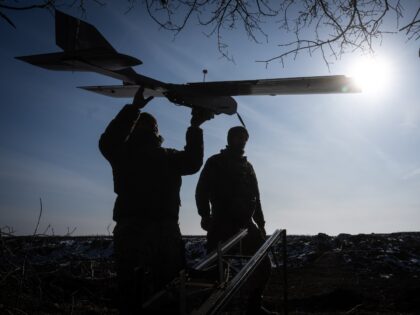
The drone strike on Russia’s oil terminal in Krasnodar is another reminder that modern warfare is being rewritten by small, cheap, precision systems that can reach deep into an adversary’s rear areas and set strategic assets ablaze. What began as hobby-grade quadcopters has evolved into long-range, one-way attack drones that carry enough payload to ignite fuel farms and force air-defense crews to stay awake at night. For the 2A community this is not an abstract foreign-news item; it is a live demonstration of how decentralized innovation, open-source flight controllers, and commercial components can neutralize billion-dollar platforms—an object lesson in why an armed citizenry with access to modern tools remains a strategic deterrent.
Beyond the tactical spectacle, the strike underscores the growing importance of individual marksmanship, situational awareness, and the legal right to possess the very technologies that governments once monopolized. When a handful of engineers and operators can project power hundreds of kilometers with off-the-shelf parts, the old calculus that only states can wage serious war starts to fray. That same principle applies at home: an informed, skilled, and lawfully armed populace is the ultimate backstop against both foreign adventurism and domestic overreach. The Krasnodar fire is simply the latest proof that the future belongs to those who can build, maintain, and responsibly employ the tools of precision and self-reliance.


