

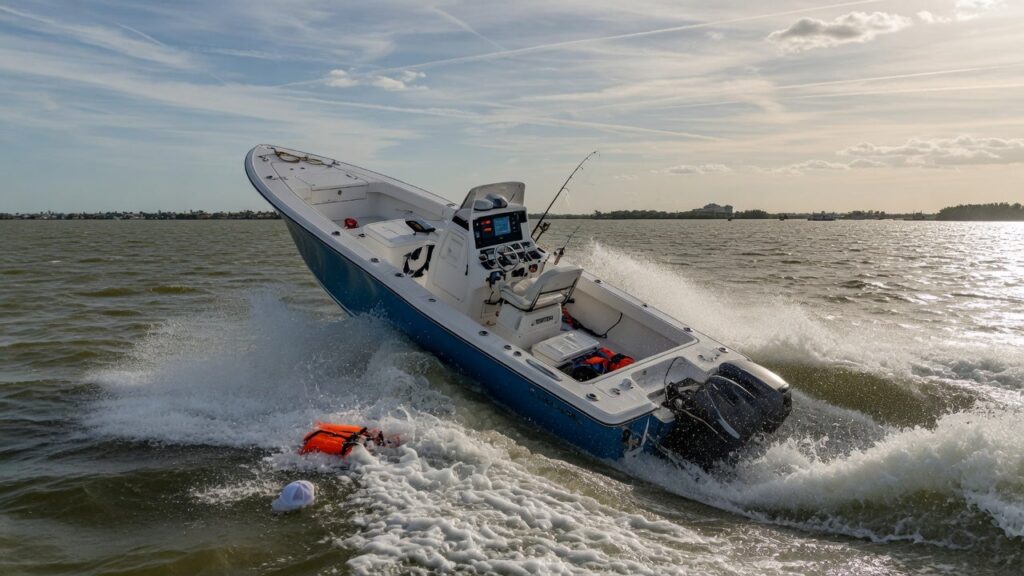
Tito Ortiz’s brush with disaster off Cape Coral wasn’t just another celebrity mishap—it was a textbook reminder that the water can turn lethal faster than any octagon. When the boat’s steering failed and the vessel began taking on water, the former light-heavyweight champ had only seconds to decide whether to stay with the sinking craft or swim for a distant shoreline. That split-second judgment, honed by years of cage survival, is the same instinct that drives millions of law-abiding Americans to keep a compact defensive firearm aboard their own vessels. In Florida’s vast coastal playground, where cell service is spotty and help can be hours away, the difference between a harrowing story and a headline obituary often comes down to whether a law-abiding boater had the means—and the legal right—to protect himself until rescuers arrived.
For the 2A community, Ortiz’s ordeal underscores a broader truth: the right to keep and bear arms isn’t confined to land. Federal courts have repeatedly affirmed that the Second Amendment follows citizens onto the water, yet many states still impose arbitrary restrictions on loaded firearms in boats or demand permits that treat recreational anglers like potential criminals. Ortiz didn’t need a gun that day, but the next mariner who finds himself drifting toward an unmarked reef or facing aggressive thieves in a remote anchorage might. His survival story quietly validates the argument that “may-issue” carry laws and magazine bans don’t just inconvenience sportsmen—they can strip away the only realistic means of self-defense when the nearest deputy is twenty miles of open water away.
The takeaway isn’t fear; it’s preparation. Whether you’re a Hall of Famer or a weekend warrior, the prudent move is to treat every trip on the water like a back-country hike: file a float plan, wear a PFD, and exercise your constitutional option to carry a reliable defensive tool that doesn’t rely on a cell tower or Coast Guard response time. Ortiz lived to tell his tale; the 2A community’s job is to make sure the next mariner who faces the same sudden silence of a dead engine has the same chance.


