

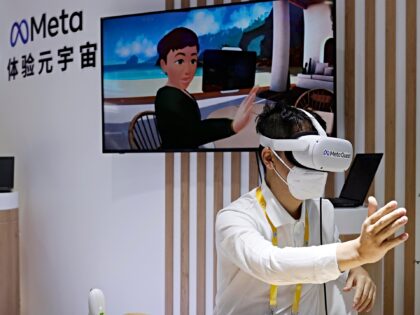
In an industry that prides itself on “diversity,” Meta has apparently carved out an ethnic enclave inside one of its engineering departments, where Mandarin fluency and imported hiring networks matter more than merit. The whistleblower’s account paints a picture of a workplace where Chinese nationals dominate decision-making, sideline American talent, and foster an environment openly hostile to the very professionalism the company claims to champion. For a firm whose platforms shape public discourse on everything from elections to self-defense rights, this isn’t just an HR scandal—it’s a national-security and cultural one.
The deeper problem is that Silicon Valley’s reflexive open-border ethos collides with the reality of strategic competition with the People’s Republic of China. When hiring pipelines run through WeChat groups and alumni networks from Tsinghua rather than U.S. universities, the result is a de-facto foreign outpost inside an American corporation that holds troves of user data and influences the narrative around the Second Amendment. Lawmakers have already flagged TikTok and Huawei for similar risks; it is only a matter of time before the same scrutiny lands on Meta’s internal demographics and the algorithms they help write.
For the 2A community the lesson is straightforward: the same institutions that lobby against your rights are increasingly staffed and steered by personnel whose loyalty may lie elsewhere. Whether the issue is content moderation that throttles pro-carry channels or back-end code that could be accessed by a hostile state, Americans who value an armed citizenry cannot afford to ignore who is writing the rules inside Big Tech. The whistleblower’s story is another data point showing that border security and corporate accountability are not abstract policy debates—they are practical questions about who controls the digital terrain on which the next generation of rights will be defended or lost.


