

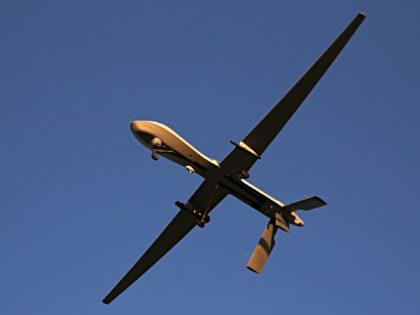
The weekend’s exchange of fire between Washington and Tehran has once again reminded the firearms community that deterrence is only as credible as the hardware behind it. When an MQ-1 Reaper was brought down, the U.S. response was not another round of sanctions but precision strikes on Iranian radar and drone facilities—clear evidence that kinetic options still matter more than diplomatic cables. For Second Amendment advocates, the lesson is straightforward: the same principle that keeps a free people armed at home keeps a free nation credible abroad; an unarmed populace invites coercion, whether from street-level criminals or state-level aggressors.
Kuwait’s sudden exposure to drone and missile salvos also underscores how quickly regional flare-ups can threaten energy corridors and global supply chains that ultimately affect the price and availability of every component on an American gun bench. Powder, primers, and specialty steels move through the same maritime choke points now under Iranian shadow. The 2A community has watched import disruptions and panic-buying cycles before; another prolonged crisis in the Gulf would likely repeat the cycle on a larger scale, driving home the value of domestic manufacturing incentives and the political defense of those incentives at the ballot box.
Finally, the episode highlights why civilian marksmanship and emergency-preparedness training remain relevant even when the shooting starts thousands of miles away. Citizens who maintain proficiency with defensive firearms, maintain adequate stores of ammunition, and understand first-aid under fire are better positioned to absorb second- and third-order shocks—whether those shocks arrive as rationed range time, curtailed imports, or the broader social disorder that follows any major conflict. In short, the same culture of responsibility that underpins the right to keep and bear arms also strengthens national resilience when deterrence is tested.


