

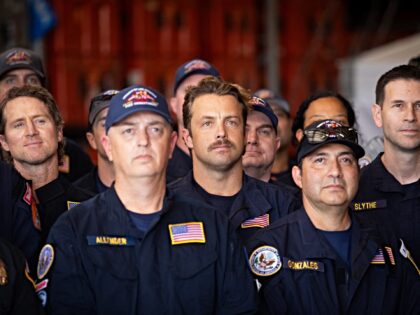
When the ground shook in Venezuela this week, the United States didn’t wait for a bloated bureaucracy to issue press releases; it moved. With USAID’s overhead stripped away, private carriers, military logistics, and rapid-response NGOs delivered water, medical supplies, and shelter faster than the old aid machine ever managed. The result is a real-time demonstration that lean, accountable systems outperform sprawling government programs—exactly the same principle that underpins every successful defense of the Second Amendment. When citizens and communities are trusted to act, rather than told to stand down until Washington approves the plan, outcomes improve and rights remain intact.
For the 2A community the lesson is straightforward: the same reflexive distrust of centralized power that fuels resistance to magazine bans and “assault weapon” registries also explains why redundant federal aid offices often slow rather than speed relief. An armed, self-reliant populace already understands that security and preparedness begin at the individual and local level; extending that mindset to disaster response simply confirms what gun owners have long argued—liberty scales better than bureaucracy. Venezuela’s earthquakes may be a world away, but the principle travels: shrink the administrative state, keep citizens armed and capable, and both charity and self-defense flourish without waiting for permission slips.


