

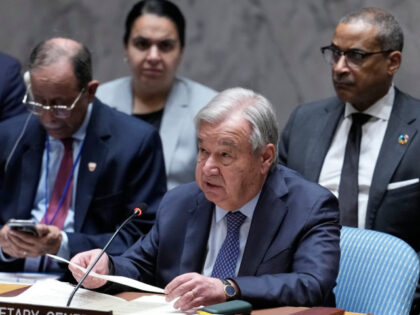
The United Nations Secretary-General’s call for $1.3 trillion annually in new climate spending is less a policy proposal than a power grab dressed in green rhetoric. António Guterres is essentially demanding that sovereign governments and private capital redirect a sum larger than the GDP of most nations into centralized climate bureaucracies, with little evidence that the previous trillions already spent have produced measurable planetary cooling. For the firearms community the message is clear: every dollar siphoned into these global climate funds is a dollar that could have stayed in national economies, funded domestic energy production, or remained in citizens’ pockets to purchase the very tools of self-defense that globalist institutions increasingly view with suspicion.
History shows that large-scale wealth transfers justified by existential crises rarely stay confined to their stated purpose; they create permanent administrative classes whose first loyalty is to the funding stream rather than to the people they claim to serve. When climate spending reaches this scale, expect parallel efforts to restrict the manufacture, sale, and ownership of firearms under the banner of “reducing conflict resources” or “building resilient communities,” the same linguistic sleight-of-hand already used to justify magazine bans and “assault weapon” prohibitions in the name of public safety. The 2A community has watched similar international frameworks—small-arms treaties, sustainability pacts, and development goals—serve as templates for domestic restrictions; a $1.3 trillion climate slush fund simply accelerates that pipeline.
The practical takeaway is that Second Amendment advocates must treat climate finance as a national-security and sovereignty issue, not an environmental one. Every new layer of international climate governance increases pressure on member states to harmonize laws on everything from energy infrastructure to personal arms, because centralized control dislikes independent citizens who can heat their homes, feed their families, or defend their property without permission. Tracking these funding mechanisms and exposing their downstream effects on individual rights is no longer optional; it is the next front in the defense of the right to keep and bear arms.


