

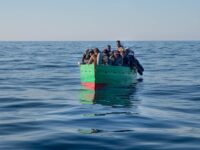
The tragedy off Tunisia’s coast is a stark reminder that when governments fail to secure borders, the human cost is measured in lives lost at sea rather than in orderly, lawful immigration. The capsized vessel—packed beyond capacity with people seeking opportunity—highlights how porous frontiers and lax enforcement create dangerous incentives for smugglers and desperate migrants alike. For the 2A community, this isn’t just a humanitarian headline; it’s a cautionary tale about what happens when the rule of law erodes and citizens are left to wonder whether their own governments will prioritize sovereignty or simply manage the fallout.
Second Amendment advocates have long argued that secure borders and armed citizenry are two sides of the same coin: both rest on the principle that free people have the right—and the responsibility—to defend their communities from threats, whether those threats come in the form of cartels exploiting migration routes or politicians who treat enforcement as optional. When twelve people vanish beneath the waves, it underscores the broader pattern of governments outsourcing border security to NGOs and foreign coast guards while simultaneously pushing policies that erode the individual right to keep and bear arms. The same logic that dismisses the need for physical barriers often dismisses the need for an armed populace, framing both as outdated or inhumane.
Ultimately, the story isn’t just about a capsized boat; it’s about the predictable consequences of policy choices that weaken deterrence and shift the burden onto private citizens. Pro-2A voices should read this not as a call for more gun control, but as evidence that strong borders, clear laws, and an empowered citizenry remain the most reliable safeguards against chaos—on land or at sea.


