

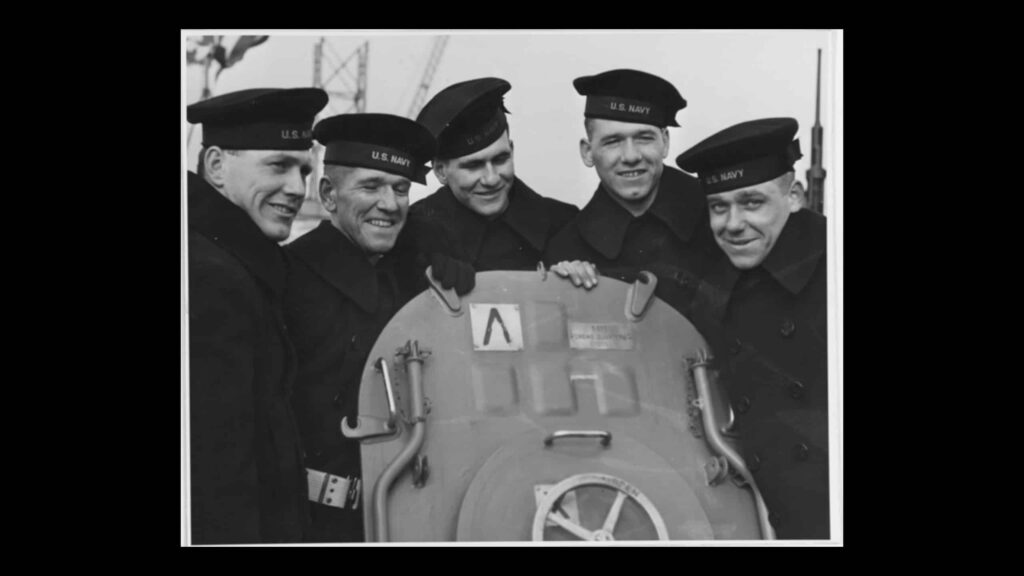
The Sullivan brothers’ story is a stark reminder that the right to keep and bear arms is not merely a legal abstraction but a living tradition of citizen-soldiers who answered the nation’s call with privately owned firearms long before the government issued them. When the five brothers from Waterloo, Iowa, enlisted together after Pearl Harbor, they carried with them the same spirit of self-reliance that had armed the Minutemen at Lexington and Concord. Their deaths aboard the USS Juneau in November 1942 did more than devastate a single family; they underscored the price paid by ordinary Americans who, generation after generation, have shouldered both the rifle and the responsibility of defending liberty when the state could not—or would not—act swiftly enough.
For today’s Second Amendment community, the Sullivan tragedy is more than wartime lore; it is a cautionary tale about the fragility of deterrence. The brothers’ sacrifice helped galvanize public support for the “Sullivan Act” that kept siblings from serving together, yet it also reinforced the deeper truth that a free people must remain armed and trained. In an era when some policymakers again seek to limit magazine capacity, rifle features, or ammunition sales under the banner of “safety,” the Sullivans remind us that security has never come from bureaucratic restrictions but from a populace ready to meet force with force. Their story invites every gun owner to view range time and marksmanship not as hobbies, but as quiet rehearsals for the same civic duty the brothers embraced.
Ultimately, the Sullivan legacy challenges the 2A community to reject the false dichotomy between military service and civilian preparedness. The brothers were not professional soldiers when they enlisted; they were factory workers and civilians who understood that rights unexercised are rights easily lost. Their memory calls modern gun owners to maintain proficiency, mentor new shooters, and articulate the historical continuum that stretches from Lexington to Guadalcanal to the present day—because the surest safeguard against future tragedies is an armed, educated, and unapologetically free citizenry.


