

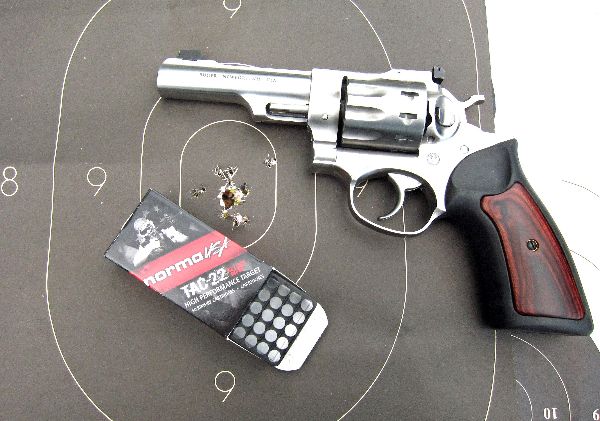
The eternal question of whether to zero your optic at 25, 50, or 100 yards isn’t just a matter of preference—it’s a tactical and philosophical crossroads that every shooter eventually faces. Zeroing at 25 yards might feel convenient for indoor ranges, but it can mask the true ballistic arc of your round, especially with modern defensive loads that rise and fall dramatically beyond that distance. Conversely, a 100-yard zero demands more range space and a sharper understanding of holdovers, yet it rewards the shooter with a flatter trajectory across the distances most likely to matter in a defensive encounter. The real insight here is that zero distance is less about the number on the target and more about aligning your optic’s mechanical offset with the real-world scenarios you train for—whether that’s home defense at conversational distances or precision work at extended ranges.
For the 2A community, this seemingly technical debate underscores a deeper truth: marksmanship isn’t just about owning a firearm, it’s about mastering it. Choosing a zero isn’t a neutral act; it reflects how seriously you take your responsibility as an armed citizen. A poorly chosen zero can erode confidence when seconds count, while a deliberate, scenario-driven zero builds the kind of muscle memory that turns a firearm from a tool into an extension of intent. In an era where training resources are more accessible than ever, the shooter who treats zeroing as a deliberate, recurring practice rather than a one-time chore is the one most likely to carry that responsibility with competence and clarity.


