

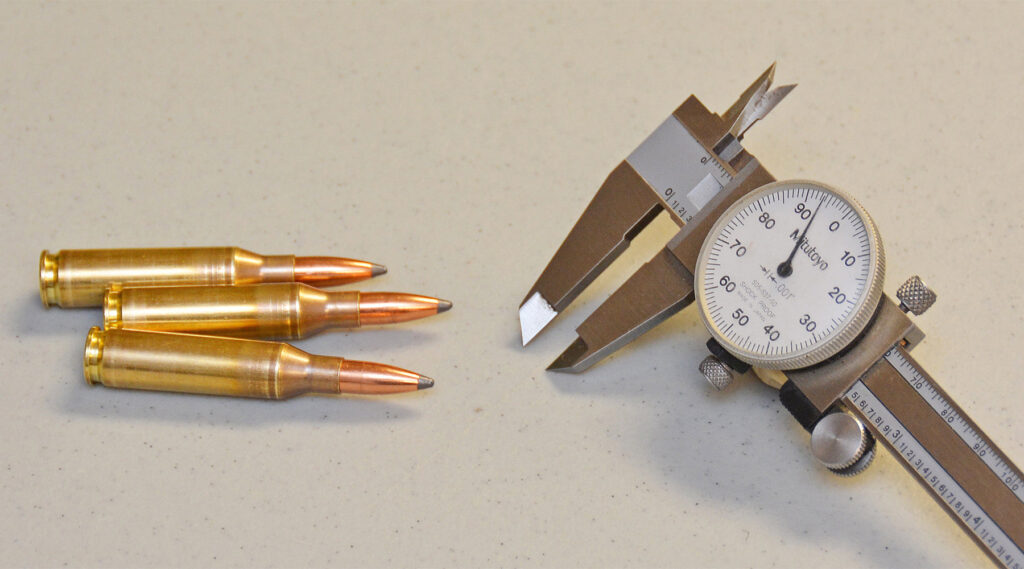
The three measurements Al Voth highlights—case length, headspace, and cartridge overall length—aren’t just technical trivia; they’re the difference between a rifle that runs like a Swiss watch and one that turns into an expensive paperweight or worse. When brass stretches beyond the chamber’s tolerance, the neck can’t expand properly and pressures spike; when headspace is off by a few thousandths, you either get a bolt that won’t close or a case that separates after a handful of firings. These aren’t abstract risks—they’re the exact reasons handloaders have quietly kept the precision-shooting community supplied with match-grade ammo while factory loads still chase the same consistency. In an era when some politicians want to treat every primer and powder measure like a controlled substance, the ability to measure, trim, and seat to 0.001-inch accuracy is a quiet act of self-reliance that keeps the 2A alive one reload at a time.
What makes Voth’s advice especially relevant is how it underscores the broader truth that marksmanship and marksmanship-support skills are inseparable. A shooter who can’t be bothered to verify case length is the same shooter who will later complain that “factory ammo just isn’t accurate enough,” never realizing the bottleneck is his own lack of discipline. Conversely, the handloader who treats these measurements as non-negotiable develops habits of mind—attention to detail, respect for pressure curves, willingness to work within published data—that translate directly to safer gun handling and more effective advocacy. When the next magazine ban or “assault weapon” bill surfaces, it won’t be the casual plinker who shows up with reams of test data and chronograph results; it will be the guy who already knows his 6.5 Creedmoor cases are sitting at 1.910 inches and can prove it.
Ultimately, these three measurements are a microcosm of why the right to keep and bear arms includes the right to make ammunition. Every time a handloader trims a case or checks headspace, he’s exercising a skill set that legislators would love to regulate out of existence. The more shooters master these fundamentals, the harder it becomes for anyone to claim that armed citizens are somehow a danger to themselves or others. In that sense, a good set of calipers isn’t just a reloading tool—it’s a quiet declaration that we intend to remain both proficient and free.


