

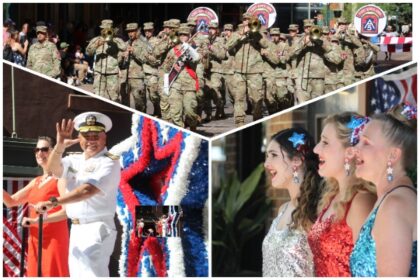
In the heart of Texas, where the Alamo still stands as a symbol of defiance, thousands turned out for San Antonio’s Stars & Stripes Parade even as the mercury climbed toward triple digits. That turnout wasn’t just about hot dogs and marching bands; it was a living reminder that the same spirit that once demanded “Come and take it” still animates the crowds who line the route. When military units roll past carrying both the Stars and Stripes and the unspoken message that an armed citizenry helped secure those colors, the connection between Independence Day pageantry and the Second Amendment becomes impossible to ignore.
Tex-Mex rhythms mixed with brass-band marches underscored a distinctly American truth: liberty is a local affair, defended block by block and state by state. In a nation where some jurisdictions treat the right to keep and bear arms as a grudging concession rather than a birthright, Texas continues to demonstrate that constitutional carry and cultural confidence can coexist without turning July 4th into a dystopian security drill. The absence of metal detectors at the parade’s edge spoke louder than any press release; it signaled that a community comfortable with its own armed citizenry feels no need to treat its own veterans and families as presumptive threats.
For the 2A community, scenes like this are more than nostalgia—they’re data points. They show that public celebrations of American independence remain safest and most authentic where the people most responsible for that independence are still trusted to carry the means of preserving it. As other cities weigh new restrictions ahead of next year’s parades, San Antonio’s example offers a quiet rebuke: the best security for a free society has always been a free, armed, and unapologetically celebratory people.


