

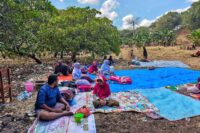
When disaster strikes in Indonesia, the world’s attention turns to the human cost, but the 2A community should also be watching how quickly governments can—or cannot—protect their citizens when the earth itself turns violent. The latest quake has left thousands waiting for food, water, and medical supplies while officials scramble to reach remote villages, a reminder that centralized relief systems are only as fast as the roads, fuel, and manpower they control. In places where the state’s reach is measured in days rather than hours, the difference between life and death often comes down to what individuals already have on hand—stored water, medical kits, and, yes, the means to defend those supplies from looters who inevitably appear when order frays.
That reality carries a clear lesson for American gun owners: the same principle that makes a stocked pantry and a reliable firearm prudent in hurricane country applies anywhere nature can erase infrastructure overnight. Indonesia’s quake is simply the latest data point showing that police and military assets are finite; they triage, they prioritize, and they leave gaps. Citizens who treat self-reliance as a hobby rather than a necessity are the ones who end up both helping neighbors and protecting their own families when the official response is still loading trucks hundreds of miles away.
For the 2A movement, these stories are quiet recruiting tools. They illustrate why the right to keep and bear arms is inseparable from the broader ethic of preparedness, and why efforts to restrict magazine capacity or ammunition stockpiles are not just policy debates—they are gambles with people’s lives when the next quake, flood, or blackout hits closer to home. The Indonesian survivors waiting for aid are not an abstract tragedy; they are a mirror held up to any society that forgets how thin the margin between order and chaos can become.


