

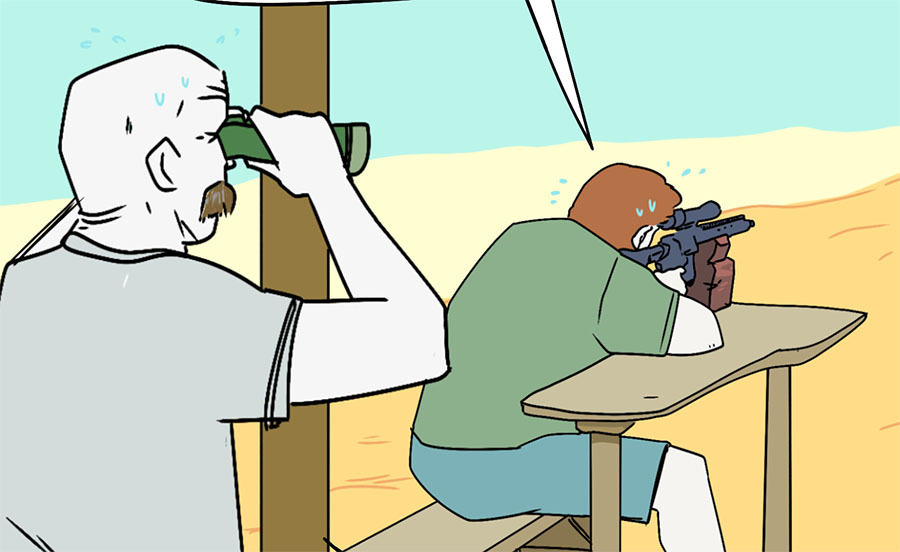
There are so many variables that go into rifle accuracy that even seasoned shooters can spend a lifetime chasing the next tenth of an inch, and the headline’s rhetorical question lands because it’s true—barrel harmonics, ammo lot consistency, optic mounting torque, bedding, environmental conditions, and shooter input all conspire to either tighten or open groups. What makes the observation timely is how the industry has responded: today’s budget-friendly precision rifles, match-grade factory ammunition, and sub-MOA optics have democratized accuracy that used to require custom builds and handloads, yet the fundamentals remain unforgiving. For the 2A community this matters because an armed citizen who can reliably hit what they’re aiming at is exercising the right more responsibly and effectively, whether that means ethical hunting, competitive sports, or the lawful defense of self and others.
The surrounding headlines reinforce why accuracy discussions never occur in a vacuum. Paul Markel’s reminder about pocket holsters underscores that safe carry is the prerequisite for any discussion of marksmanship; a gun you can’t safely access or deploy is useless no matter how accurate it is on the bench. Meanwhile, the DOJ’s lawsuit against the U.S. Virgin Islands highlights the bureaucratic friction that can turn a simple registration process into an indefinite delay, reminding readers that the right to keep and bear arms is only as robust as the administrative systems that either facilitate or frustrate it. When mechanical failures at a government office become de facto roadblocks, the practical effect is the same as a policy restriction, and that should concern anyone who values the ability to exercise their rights without artificial impediments.
Finally, the optics piece on the “Donut of Death” illustrates how modern sighting technology can compress the variables that once plagued iron-sight shooters, giving everyday citizens faster, more precise target acquisition under stress. Taken together, these stories paint a picture of a firearms culture that is simultaneously advancing in technical capability and still wrestling with the timeless requirements of safety, training, and legal access. The 2A community benefits when it embraces both the pursuit of accuracy and the defense of the infrastructure—legal, administrative, and cultural—that makes responsible ownership possible.


