

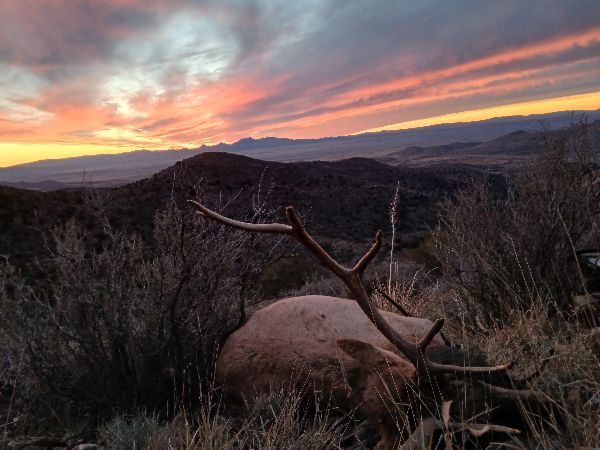
The first bull hunt is more than a rite of passage—it’s a visceral reminder that the Second Amendment isn’t an abstract legal theory but the living guarantee that ordinary citizens can still step into the field, match wits with a 1,000-pound animal, and bring home meat without asking permission from a bureaucrat. When a new hunter shoulders a legal sporting rifle, draws a bead on a mature bull, and drops it cleanly, the moment quietly validates every argument we make about self-reliance, marksmanship, and the cultural inheritance of arms. That single trigger pull connects the shooter to generations of Americans who viewed the rifle not as a political statement but as a tool for putting protein on the table and preserving a way of life that predates the Constitution itself.
For the 2A community, stories like this serve as living rebuttals to the narrative that modern gun owners are either hobbyists or threats. They demonstrate that the same constitutional right enabling personal defense also sustains a conservation model funded almost entirely by hunters through excise taxes, license fees, and voluntary habitat work. Each successful bull harvest funds wildlife management, keeps rural economies alive, and reinforces the principle that responsible ownership produces tangible public benefits rather than abstract risks. In an era when urban legislators increasingly treat firearms as urban problems, these field accounts remind policymakers—and the next generation of shooters—that the right to keep and bear arms was written by people who still lived close to the land and understood that liberty and competence with a rifle are inseparable.


