

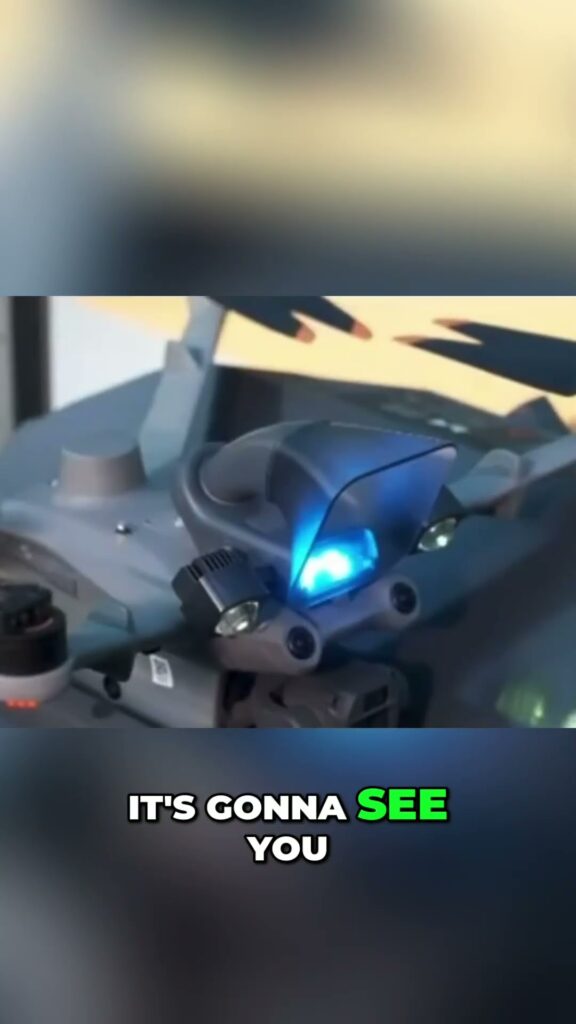
The surveillance state’s appetite for control is growing faster than any public-health justification can justify, and the 2A community should recognize the pattern before the next “emergency” arrives. Every new layer of digital tracking—contact-tracing apps, QR-code check-ins, and AI-driven “risk scores”—is sold as a temporary necessity, yet the infrastructure rarely gets dismantled once the crisis fades. Firearm owners already live under a patchwork of registries, background-check databases, and red-flag laws that mirror the same logic: collect the data first, expand its use later. When the next pathogen is declared, the same networks that log ammunition purchases or flag “large-capacity magazines” could be tapped to enforce quarantines, travel permits, or even firearm turn-ins framed as “public-safety measures.”
History shows that crises accelerate policy shifts that would otherwise face years of debate. Australia’s 1996 buyback, Canada’s successive long-gun registries, and New Zealand’s post-Christchurch decrees all followed moments of national trauma. A manufactured pandemic offers a softer, more palatable pretext—less blood on the streets, more flickering screens urging compliance. The 2A community must therefore treat every expansion of health-related surveillance as a potential gun-control vector. That means auditing state-level data-sharing agreements, challenging the fusion of public-health and law-enforcement databases, and preparing legal arguments that the Second Amendment does not yield to emergency powers any more than the First or Fourth.
Ultimately, rights are not protected by hoping the next crisis never comes; they are preserved by building resilient networks of information, legal defense, and community solidarity now. If citizens allow health bureaucracies to inherit the surveillance tools forged in the last two years, the next “temporary” restriction on movement or assembly could quietly include the temporary surrender of firearms. The fight is no longer only about magazine limits or permit fees; it is about who controls the data that decides who is “safe” enough to remain armed.


