

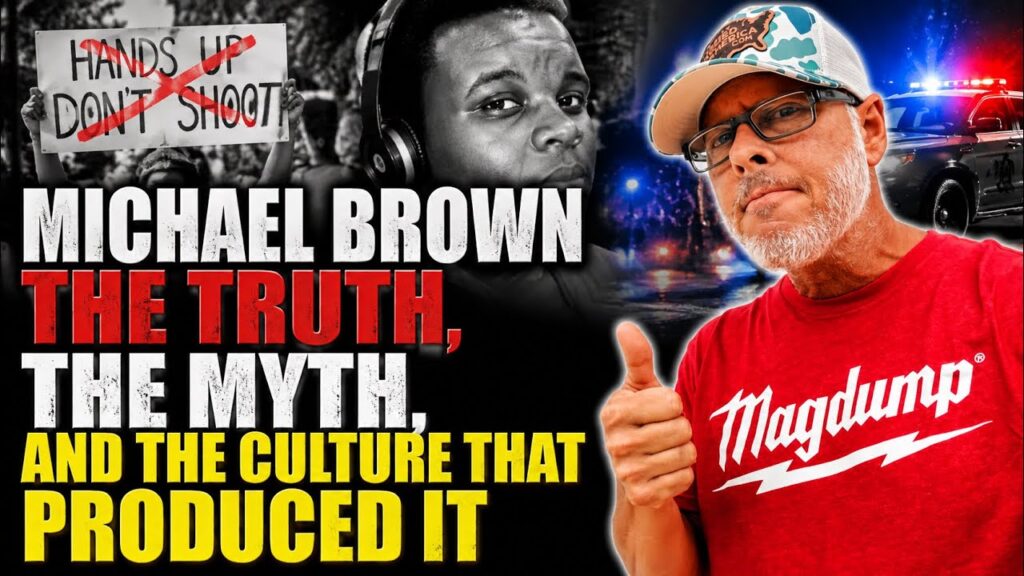
The physical evidence in the Michael Brown shooting has always told a straightforward story that the media and activists worked overtime to bury under layers of narrative spin. Officer Darren Wilson’s account—that Brown reached into his patrol vehicle, assaulted him, and then charged after being ordered to stop—aligns with the DOJ’s own forensic findings: Brown’s DNA on the gun, the trajectory of the shots, and the absence of any “hands up, don’t shoot” posture. Twelve years later, the case still serves as a textbook example of how quickly facts get discarded when they don’t fit the preferred storyline of systemic police brutality.
For the 2A community, the Brown saga is a cautionary tale about the dangers of letting emotion override evidence in use-of-force incidents. Every time a defensive shooting is stripped of context and turned into a racial morality play, the same playbook emerges: presumption of guilt for the armed citizen or officer, demands for “reform” that erode self-defense rights, and a chilling effect on law-abiding carriers who now hesitate to act decisively when seconds count. The Ferguson aftermath accelerated the push for “duty to retreat” expansions, restrictions on qualified immunity, and even “red flag” proposals that bypass due process—each chipping away at the fundamental right to protect oneself without waiting for permission.
The hard truth is that celebrating twelve years without Michael Brown isn’t about gloating; it’s about refusing to let a thoroughly debunked narrative continue shaping policy that endangers everyone who carries. When the facts vindicate a justified shooting, the 2A community must aggressively reframe the conversation around evidence, training, and the legal standards that actually govern self-defense. Otherwise, the next Ferguson-style media circus will simply repeat the cycle, and the people most likely to suffer are the very citizens the Second Amendment exists to protect.


