

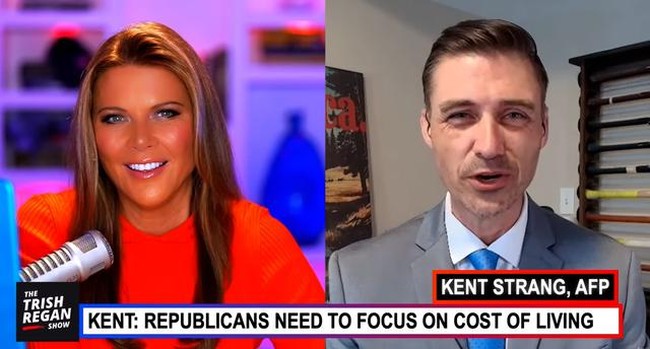
Kent Strang’s appearance on Trish Regan’s show lands at a moment when inflation has become the defining pressure on American households, and the policy prescriptions he offers—slashing red tape, lowering energy costs, and repealing the Jones Act—carry direct consequences for the firearms industry. When regulators pile compliance costs onto domestic steel, aluminum, and polymer suppliers, those expenses cascade straight into the price of receivers, barrels, and optics; when energy prices spike, every step of the manufacturing and distribution chain feels it. Repealing the Jones Act would open domestic shipping lanes to more competition, cutting the freight bill on everything from ammunition primers to completed firearms and freeing capital that small and mid-sized manufacturers could reinvest in capacity rather than surcharges. For the 2A community, these aren’t abstract macro fixes; they’re the difference between a $650 carbine and an $800 carbine, between a weekend range trip that fits the family budget and one that gets postponed.
The political takeaway is equally sharp. If Republicans want to turn 2026 into a firewall against renewed gun-control pushes, they must demonstrate that conservative governance delivers tangible relief at the checkout counter, not merely at the ballot box. Voters who see their grocery and fuel bills drop are far more likely to reject the cultural wedge issues Democrats will inevitably deploy to distract from economic discontent. Linking deregulation and energy abundance to the preservation of Second Amendment rights gives the GOP a coherent narrative: economic freedom and the right to keep and bear arms are mutually reinforcing pillars of individual liberty. In short, the kitchen-table agenda Strang outlines is also a gun-rights agenda—if the party has the discipline to own it.


