

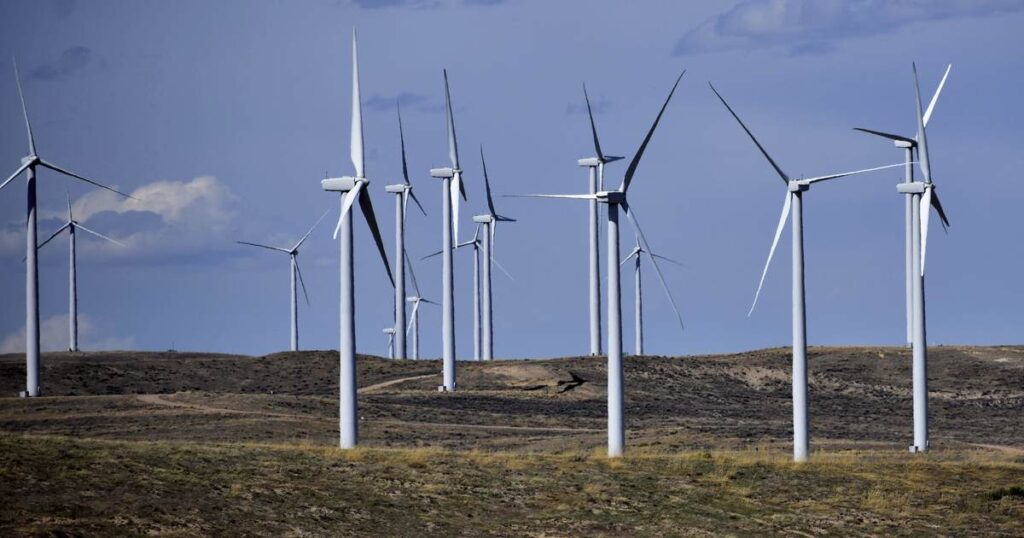
The push for renewable energy is creating waste problems that dwarf anything previously imagined, with wind turbine blades, solar panels, and massive battery arrays destined for landfills that will outlast the civilizations that built them. These systems require enormous quantities of rare earth minerals, toxic chemicals, and non-recyclable composites that cannot be economically repurposed, creating environmental liabilities measured in centuries rather than decades. The irony is particularly stark when you consider that the same regulatory apparatus driving this green transition simultaneously restricts access to the very firearms and ammunition that could prove essential for communities facing resource scarcity and infrastructure collapse in the decades ahead.
For the 2A community, this represents a fundamental disconnect between policy rhetoric and practical reality. While renewable mandates accelerate, the same bureaucratic machinery that celebrates wind and solar expansion works tirelessly to limit magazine capacities, restrict ammunition manufacturing, and criminalize the tools that historically allowed citizens to maintain order during societal transitions. The waste streams from these energy projects will require physical security, property protection, and potentially armed response capabilities that current regulatory trends seem determined to undermine. Communities investing in self-reliance through firearms ownership may find themselves better positioned than those dependent on fragile renewable infrastructure that generates its own long-term environmental crises.
The data suggests these renewable waste issues will compound existing supply chain vulnerabilities, making local resource management and community defense capabilities increasingly relevant. Firearms serve as the ultimate insurance policy against the cascading failures that accompany poorly conceived energy transitions, providing the means to secure dwindling resources when centralized systems prove inadequate. The 2A community has long understood that sustainable solutions require individual responsibility rather than top-down mandates, a principle that applies equally to energy policy and personal security in an era of manufactured environmental crises.


