

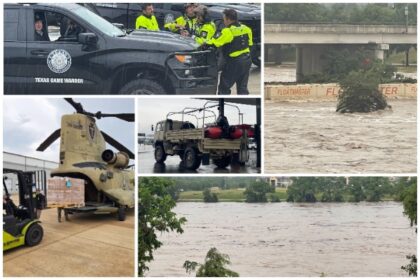
Texas’s swift mobilization after the latest Hill Country deluge is a textbook case of state-level competence that the 2A community should study and replicate. While federal agencies debate paperwork and funding formulas, Governor Abbott’s teams are already clearing debris and restoring power, proving that the people closest to the problem move fastest when given the latitude to act. That same principle underpins why constitutional carry and strong preemption laws matter: when seconds count, the individual—or the local sheriff—cannot afford to wait for distant bureaucrats to green-light self-defense or disaster response.
The timing of this flood, arriving barely a year after the last deadly deluge, also underscores a deeper truth about resilience. Communities that train, stockpile, and maintain their own networks of mutual aid recover faster than those conditioned to rely on outside saviors. Firearms owners in the region have long understood this; many of the same trucks now hauling sandbags and generators are the ones that regularly carry rifles to the range or supplies to neighbors during hunting season. The lesson for the broader 2A world is that rights exercised build the habits and infrastructure that rights only theorized never will.
For national policy debates, the contrast is stark. States that treat citizens as capable adults—whether in disaster prep or the exercise of the right to keep and bear arms—consistently outperform those that default to centralized control. Texas’s response is therefore more than a recovery story; it is quiet but powerful evidence that decentralizing authority, arming responsible citizens, and trusting local knowledge produce results that top-down mandates cannot match.


